
Fledism and Feminism: Redefining Women’s Leadership in the 21st Century
Fledism and Feminism: Redefining Women’s Leadership in the 21st Century
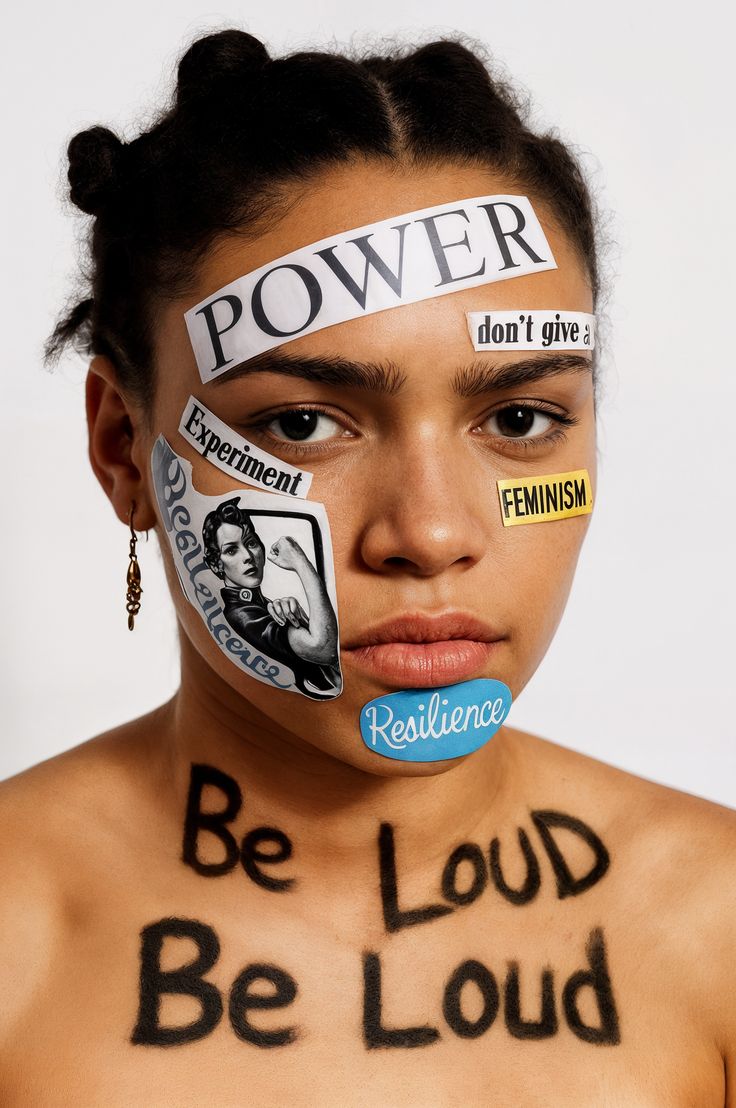
For over a century, feminism has been the loudest voice demanding equal rights, opportunities, and dignity for women. It has challenged oppressive systems, expanded educational access, protected women at work, and opened doors in politics, business, and society.
Yet, in many parts of the world — including Africa — debates around feminism remain polarizing. Some interpret feminism as a threat to traditional family values and cultural structures. Others feel it promotes rivalry between genders rather than cooperation.
This ideological tension calls for a new framework of understanding — one that upholds women’s equality while affirming their unique identity and biological roles. This is where Fledism enters the conversation.
What is Feminism?
Feminism is a movement advocating:
- Equal social, political, and economic opportunities for women
- The dismantling of systems that discriminate on the basis of gender
- Women’s autonomy over their choices, careers, and bodies
Its contributions are undeniable. Feminism has:
- Secured voting rights for women
- Improved women’s access to leadership spaces
- Challenged harmful cultural and institutional norms
But feminism has also faced criticism for:
- Sometimes promoting adversarial narratives of gender competition
- Neglecting the importance of family and relational interdependence
- Adopting Western ideologies that may not reflect African realities
What is Fledism?
Fledism Leadership Philosophy asserts that leadership is:
- A duty anchored on responsibility, service, and societal improvement
- Rooted in holistic identity — personal, familial, and communal
- Measured not by titles or power, but by social value and moral impact
In its view of women’s leadership:
- A woman is both a life-giver and a nation-builder
- Biological roles like motherhood are not obstacles but leadership foundations
- Men and women are partners in stewardship, not competitors for dominance
Where Do They Differ?
| Dimension | Feminism | Fledism |
|---|---|---|
| Primary Focus | Rights and equality for women | Responsibility and service to society |
| Approach to Gender Relations | Confrontational or competitive (at times) | Cooperative partnership with men |
| Family & Biology | May prioritize career over family roles | Sees family roles as leadership assets |
| Identity Framework | Individual freedom & self-determination | Identity rooted in purpose, community, and contribution |
Where Do They Align?
Both Feminism and Fledism:
- Support women’s education and leadership opportunities
- Oppose discrimination and cultural practices that diminish women
- Promote women’s contribution to national development
A Pathway for Modern Women Leaders
Women do not need to choose between:
- Career and motherhood
- Leadership and family life
- Public impact and personal fulfillment
Fledism proposes a reconciliation model:
3 Pathways for Women in Public Leadership
1️⃣ Self-Mastery and Identity Strengthening
Women must embrace a leadership mindset rooted in their identity — not stereotypes.
2️⃣ Balanced Roles and Priorities
Family, career, and leadership must function in harmony, not conflict.
3️⃣ Collaborative Leadership Culture
Partnerships with men and institutions expand women’s influence and success.
The Future: Women Leading with Wholeness
Africa’s greatest transformation will come from holistically empowered women:
- Women who legislate policies and nurture future generations
- Women who build enterprises while mentoring young girls
- Women who bring empathy, resilience, and moral strength to governance
Feminism built the doors.
Fledism is guiding women through them with purpose.
In redefining women’s leadership, we are not rejecting feminism — we are evolving it. We are elevating leadership from a struggle for visibility to a mission for nation-building, family-strengthening, and human development.
The world needs women who lead not only with their voice, but with their values.