
Disadvantage Of Cold Food To The Body
Disadvantage Of Cold Food To The Body
By Abbah Christy
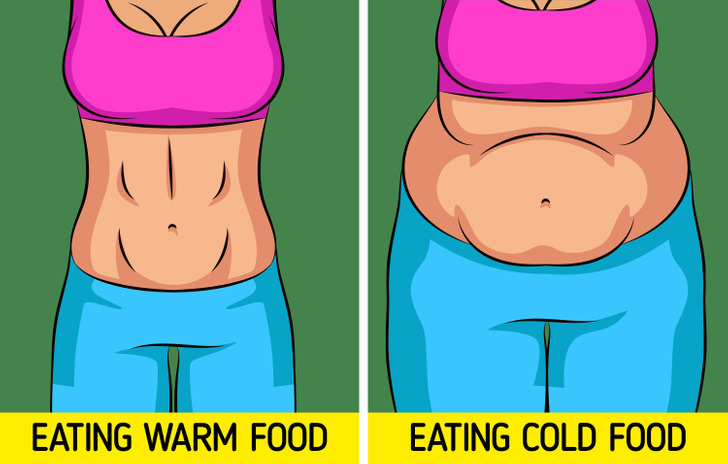
Eating cold foods may hinder digestion since the body expends energy to warm them up, which could lead to bloating, cramps, or indigestion, particularly for individuals with sensitive stomachs or when consumed on an empty stomach. Cold foods can also aggravate sensitive throats, hinder the absorption of certain nutrients (such as lycopene in tomatoes), and pose foodborne illness risks if cooking doesn’t eliminate bacteria. Traditional medicine connects excess cold with problems like poor circulation and heightened “dampness.”
Digestive Problems
Slower Digestion: The body must exert more effort to raise the temperature of cold food to that of the body, leading to a slowdown in the digestive process.
Discomfort: This can result in gas, bloating, cramps, or overall digestive distress.
Impaired Enzymes: Cold temperatures may diminish the effectiveness of digestive enzymes and gut bacteria.
Nutrient Absorption
Decreased Nutrient Absorption: Certain nutrients, such as lycopene found in tomatoes, are more effectively utilized when they are cooked, indicating that raw or cold versions provide less advantage.
Irritation of the Throat: Consuming cold foods may irritate delicate throats, resulting in discomfort or pain.