
What You Need To Know About Dried Spices
What You Need To Know About Dried Spices
By Abbah Christy
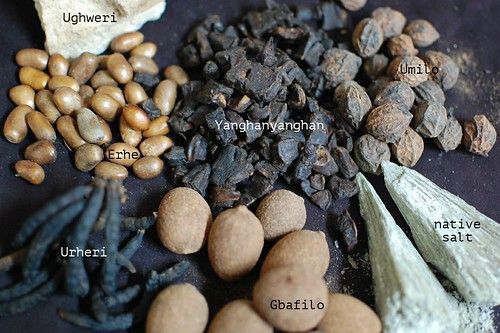
Dried spices in Nigeria are created using a mix of traditional sun-drying techniques and, increasingly, modern methods such as oven drying and industrial milling. Important crops such as pepper, ginger, and onions are gathered from the Northern Savanna areas, while other native spices, like ogiri okpei, are collected from the southern regions. The production process includes washing, cleaning, slicing (in the case of rhizomes and tubers), and drying to eliminate moisture, followed by grinding into a powder for preservation.
Main Production Techniques
Sourcing Raw Materials: Ingredients such as garlic, ginger, and pepper, along with native components (like castor seed), are obtained from farmers, frequently supported by companies.
Cleaning and Preparation: Spices are washed and sorted to eliminate dirt. Rhizomes, including ginger, are usually peeled and cut to facilitate quicker drying.
Drying Methods
- Drying Processes: Sun Drying: Traditional, widespread method for items like peppers and fermented seeds (e.g., iru).
- Oven Drying: Modern, controlled method; for instance, spices are oven-dried at 55°C for 3 hours to ensure consistent quality.
- Fermentation (Specific Spices): Seeds for condiments like iru (locust beans) are boiled, dehulled, and fermented for 3-5 days before drying to enhance flavor.
- Processing and Milling: Dried spices are ground into powder using industrial mills or locally available blenders (e.g., for yaji suya spice).
- Packaging: Processed, dried, and powdered spices are packaged into bags or containers for sale.
- Suya Pepper: (yaji) A blend of roasted groundnut/kuli-kuli, cayenne pepper, and ginger, ground into a coarse or fine powder.
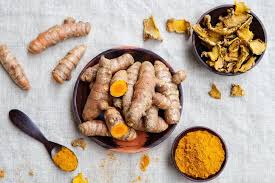
- Dried Ginger/Onions: Sliced and dried (often in the North) to extend shelf life.
- Indigenous Herbs: Scent leaves (Occimum gratissimum) and other herbs are cleaned and dried, often oven-dried for better retention of flavor.