
What You Need To Know About PCOS
What You Need To Know About PCOS
By Abbah Christy
Polycystic ovary syndrome (PCOS) is a prevalent hormonal condition impacting 5–13% of women during their reproductive years, marked by elevated androgen levels, problems with ovulation, and occasionally ovarian cysts. It leads to irregular menstrual cycles, acne, excessive hair growth, challenges with fertility, and weight gain. Treatment options consist of lifestyle modifications (diet and exercise), contraceptive pills, and reproductive therapies.
Features of PCOS
Hormonal Dysfunction: The ovaries create excessive amounts of androgens (male hormones), interfering with the menstrual cycle.
Symptoms: Irregular or missed menstrual periods, heavy menstrual bleeding, hirsutism (increased facial or body hair), acne, and thinning of hair on the scalp.
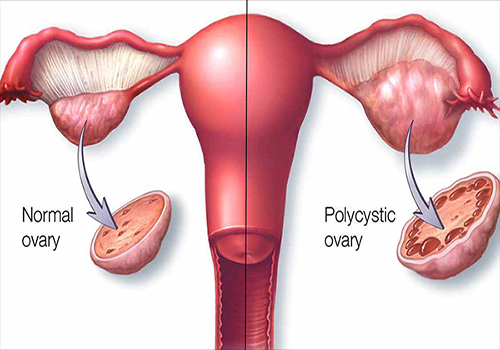
Ovarian Alterations: Small fluid-filled sacs (follicles) can form, but having cysts is not a requirement for a PCOS diagnosis.
Metabolic Effects: About 60-80% of women diagnosed with PCOS experience insulin resistance, which heightens the likelihood of obesity, Type 2 diabetes, and hypertension.
Reproductive Health: It is a primary factor in infertility, although it can be treated effectively.
Evaluation
Evaluation: Usually determined by irregular menstrual cycles, indications of elevated androgen levels (via blood tests or symptoms like acne and hair growth), and ultrasound results.
Long-Term Health Risks: If left untreated, PCOS can elevate the risk of endometrial cancer, heart disease, and sleep apnea.
Treatment: While a cure is not available, symptoms can be controlled through lifestyle modifications (such as maintaining weight and a nutritious diet) and medications, including hormonal contraceptives to normalize menstrual cycles and metformin to address insulin resistance.