

American Returnee Held Hostage in His House in Anambra
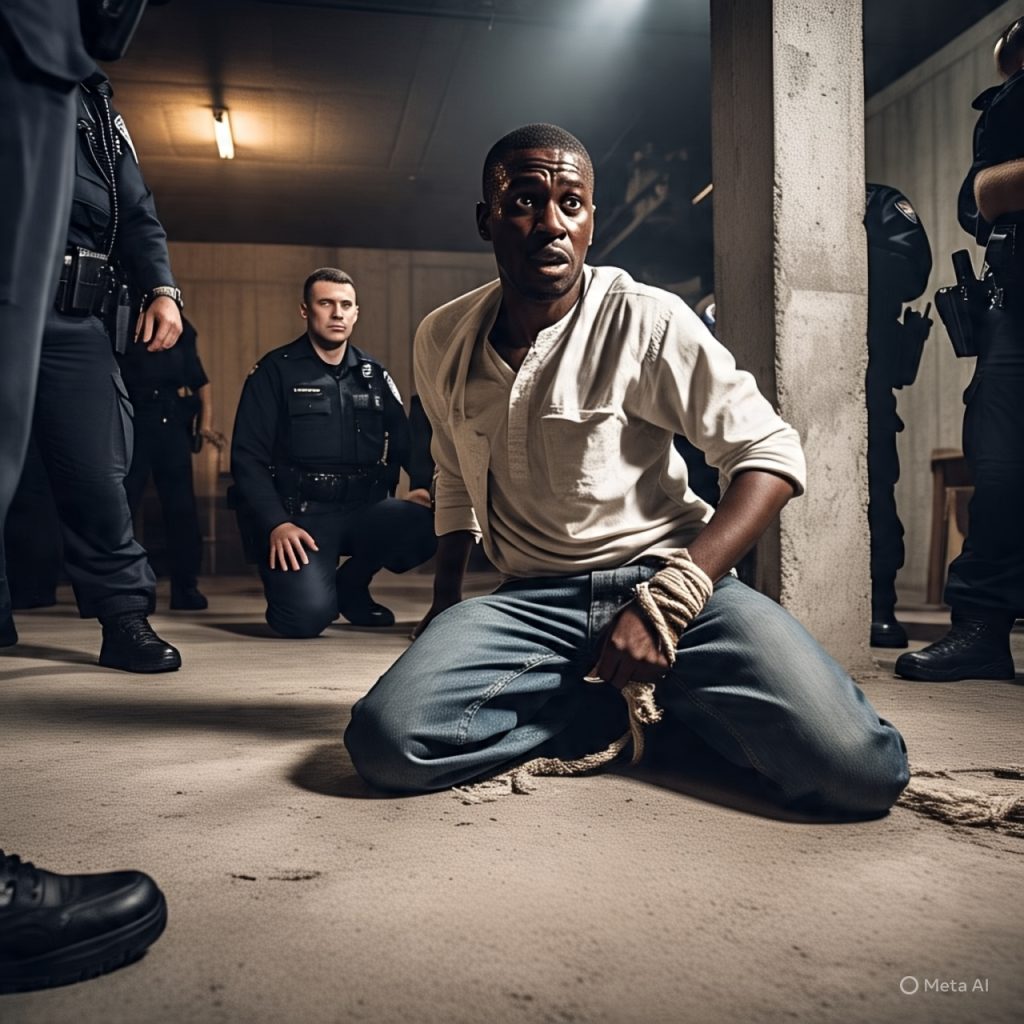
The Shocking Story of an American Returnee Trapped by His Own Siblings in Anambra
By Noel Chiagorom
In a harrowing real-life drama that reads like a Nollywood thriller, the story of Peter Mokwuah, an American returnee held captive in his own mansion by his siblings in Anambra State, is one of betrayal, family greed, and spiritual intuition that ultimately led to his rescue.
After spending 25 years in New York and retiring with dignity and security, Mr. Mokwuah returned to Nigeria, settling in his hometown of Enugwu Ukwu, Anambra, where he had built a sprawling three-storey mansion. With a monthly pension of $5,000 and vehicles at his disposal, he was supposed to live out his golden years in peace and comfort.
But what followed instead was a dark and painful ordeal — one orchestrated, heartbreakingly, by those closest to him.
A DAUGHTER’S INTUITION, A FATHER’S SILENCE
Ifunanya Mokwuah, his first daughter based in the United States, began to grow suspicious when her father abruptly stopped calling around 2020. For someone who had always maintained close communication with her, the silence was deafening. Her calls went unanswered. When they were picked, it was by her aunt, who kept offering inconsistent explanations — sometimes claiming she was in the kitchen and Peter was upstairs, at other times saying he was out of town.
Months passed, and the silence persisted. Even though money continued to flow from Ifunanya to Nigeria — funds she believed her father needed — there was no contact. What she didn’t know was that her father wasn’t just unreachable. He was being deliberately isolated and locked away.
It would take divine intervention, according to Ifunanya. She claims the Holy Spirit urged her to return home and rescue her father. She listened. In January 2022, she flew to Nigeria.
A MANSION TURNED PRISON
When Ifunanya arrived at her father’s residence in Enugwu Ukwu, she was confronted with the first ominous sign: a truckload of sand had been deliberately dumped in front of the gate, blocking any vehicle from going in or out. Determined, she climbed over it and banged on the gate, demanding to see her father.
Her aunt and uncle — Josephine and Frances — emerged, furious and defensive. They insulted her, calling her a prostitute and ordered her to leave. But she stood her ground. Soon, curious villagers gathered, and after she identified herself as Peter’s first daughter, the crowd began demanding answers from the pair who were now clearly rattled.
In an attempt to cover up, Josephine claimed Peter was in Abuja. A quick phone call to another brother, Christopher, seemed to confirm this. But Ifunanya, relying on her instincts — or, as she puts it, the Holy Spirit — insisted her father was upstairs.
The youths, now fully alert, stormed the upper floor of the house. There, on a dirty mattress, in a locked room, lay Peter Mokwuah — emaciated, filthy, with overgrown nails and beards, but alive.
He recognised his daughter instantly. In tears, Ifunanya embraced her father, who had all but lost hope, believing he had been left to die.
Why?
The obvious question is: why would siblings do this?
While investigations are still unraveling the full motive, many suspect a plot rooted in greed. With a steady U.S. pension, property, and likely access to international finances, Peter Mokwuah may have become a target for exploitation. Isolating him ensured control — over his bank accounts, assets, and possibly, his will.
This is not just a family matter. It’s a human rights abuse and a tragic reflection of what greed can do to familial bonds.
THE BIGGER PICTURE
This story is a painful reminder that not all who smile with us are for us — even within our bloodline. It also highlights how older people, especially those returning from abroad with pensions and assets, must be careful with whom they entrust their lives and legacies.
Peter Mokwuah survived, but many do not. Many returnees fall into the hands of exploitative family members, their properties looted, their health ignored, and their voices silenced.
What saved Peter was the unwavering love and courage of his daughter, guided by her conviction and faith. But not every victim has an Ifunanya.
As this case gains attention, it should push authorities in Anambra and beyond to take elder abuse — particularly financial and emotional abuse — more seriously. This story must not fade into just another viral anecdote. Justice must be served.
Because no one deserves to suffer in a house they built with their own sweat — let alone at the hands of their own kin.