
Dried Fish Production
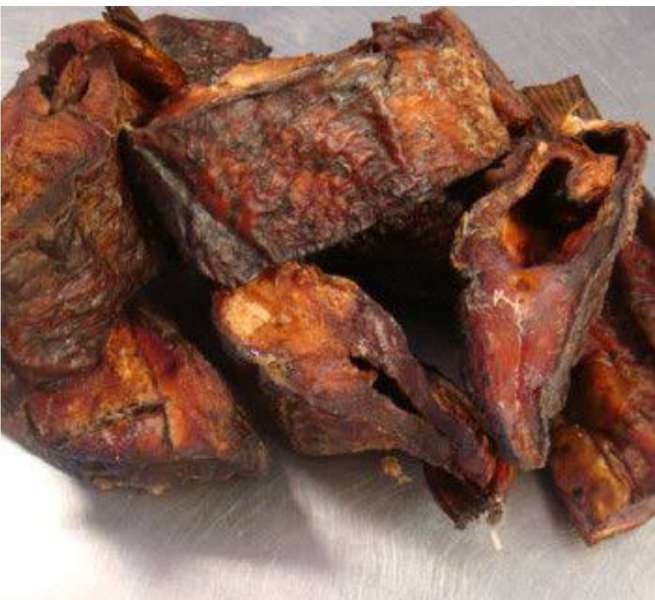
Dried Fish Production
By Abbah Christy
The production of dried fish includes processes like cleaning, salting (curing), and extracting moisture through techniques such as sun drying, hot air drying (using ovens or kilns), or freeze-drying to avoid spoilage. Traditional sun/air drying relies on racks for natural evaporation, while contemporary methods utilize controlled heat or vacuum for enhanced efficiency and quality.
Traditional/Open-Air Drying
Clean & Prepare: Scale, gut, and thoroughly wash the fish.
Salt/Brine: Immerse the fish in saltwater or apply salt directly to extract moisture and prevent microbial growth.
Arrange: Open the fish by making a butterfly cut, securing the tail to the mouth, and then place it on elevated racks or hang it up.
Dry: Allow the fish to dry naturally in sunlight and airflow, keeping it away from ground contamination.
Hot Air Drying: Fish is placed in ovens or specialized dryers, exposed to circulating hot air (e.g., 180°C then 220°C) for faster, controlled drying, often with smoke for flavor (smoking).
Freeze-Drying (Industrial): Fish is frozen, then placed in a vacuum to sublimate (turn ice directly to vapor) the water, preserving quality.
- Water Removal: Drying removes water, stopping bacteria, yeast, and mold from growing.
- Curing: Salt acts as a preservative and flavor enhancer.
- Protection: Modern dryers offer better protection from dust, insects, and adverse weather than open-air methods.