

Simple Steps to Protect Your Health
By: Okunlola Christiana Omolola
Good health is one of the most valuable things a person can have. While medical treatment is important when illness occurs, taking steps to prevent diseases before they develop can protect your health, save money, and improve your quality of life. Prevention does not mean that illness can always be avoided, but healthy habits and regular medical care can reduce many health risks and help detect problems early.
Simple Steps to Protect Your Health
1. Eat a Balanced Diet
A healthy diet provides the body with the nutrients it needs to function properly. Include plenty of vegetables, fruits, whole grains, beans, and other nutritious foods while limiting excessive salt, sugar, and highly processed foods.
2. Stay Physically Active
Regular physical activity helps strengthen the heart, muscles, and bones. It can also help maintain a healthy weight and reduce the risk of conditions such as heart disease and type 2 diabetes. Choose activities you enjoy, such as walking, dancing, cycling, or sports.
3. Go for Regular Health Checkups
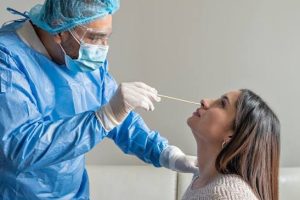
Many health conditions can develop without obvious symptoms. Regular checkups and appropriate screening tests can help identify potential problems early, when they may be easier to manage.
4. Get Enough Sleep
Quality sleep allows the body and mind to recover. Adults generally need around 7–9 hours of sleep each night. Maintaining a consistent sleep schedule and creating a comfortable sleeping environment can support better rest.
5. Manage Stress
Long-term stress can affect both physical and emotional well-being. Make time for relaxation, exercise, hobbies, social connections, prayer or meditation, and other healthy activities that help you cope with everyday pressures.
6. Practice Good Hygiene
Simple habits such as washing your hands regularly, keeping your surroundings clean, handling food safely, and maintaining good oral hygiene can help reduce the spread of infections and protect your health.
7. Avoid Harmful Habits
Avoiding tobacco and limiting alcohol can significantly reduce health risks. It is also important to avoid using medicines or other substances without appropriate medical guidance.
8. Know Your Family Health History
Knowing whether certain diseases run in your family can help you and your healthcare professional understand potential risks. This information can guide appropriate lifestyle choices and health screenings.
9. Protect Your Mental Health
Mental health is an important part of overall health. Pay attention to persistent feelings of sadness, anxiety, hopelessness, or overwhelming stress, and seek professional support when needed.
10. Act on Warning Signs Early
Do not ignore unusual or persistent symptoms. Seeking medical attention early can sometimes prevent a minor problem from becoming more serious.
Conclusion
Prevention is not about living in fear of illness; it is about taking responsibility for your health. Eating well, staying active, sleeping adequately, managing stress, maintaining good hygiene, attending appropriate health checks, and responding early to warning signs can all contribute to a healthier life. Prevention may not eliminate every health problem, but it can give you a better chance of detecting, reducing, or managing many conditions early.