Early detection can save lives. Many diseases become more difficult to treat when discovered at an advanced stage. Recognising warning signs, attending regular medical checkups, and seeking professional care when something feels wrong can help people receive treatment sooner and improve their chances of recovery.
What Is Early Detection?
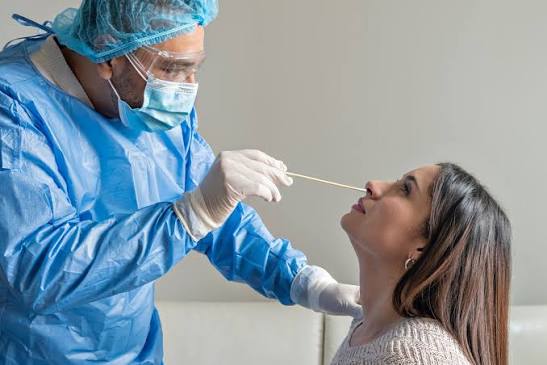
Early detection means identifying a disease before it becomes severe or causes serious complications. It may involve noticing symptoms, undergoing screening tests, or attending routine medical examinations.
Some diseases, such as high blood pressure and diabetes, may develop without obvious symptoms. This makes regular checkups especially important, even when a person feels healthy.
Why Early Detection Matters
1. It improves treatment outcomes
When a disease is discovered early, treatment may be more effective. For example, detecting certain cancers at an early stage can provide more treatment options and improve survival chances.
2. It helps prevent complications
Early diagnosis allows healthcare professionals to manage diseases before they damage other parts of the body. Controlling high blood pressure, for instance, can help reduce the risk of stroke, heart disease, and kidney problems.
3. It can reduce treatment costs
Treating a disease before it becomes severe may require fewer complicated procedures and shorter hospital stays. Early care can therefore reduce the financial burden on individuals and families.
4. It protects families and communities
Early detection of infectious diseases can help people receive treatment and take steps to prevent spreading infections to others.
Common Warning Signs to Take Seriously
People should seek medical advice when they notice persistent or unusual changes in their health, such as:
- Unexplained weight loss
- A persistent cough
- Unusual lumps or swelling
- Changes in bowel or bladder habits
- Ongoing fatigue
- Unexplained bleeding
- Persistent pain
- Changes in vision
These symptoms do not always mean a person has a serious disease, but they should not be ignored.
The Role of Regular Checkups
Regular medical checkups help healthcare professionals identify health problems that may not yet produce symptoms. Depending on a person’s age, family history, and risk factors, a healthcare professional may recommend tests for conditions such as high blood pressure, diabetes, or certain cancers.
Screening recommendations vary, so it is important to discuss the right tests with a qualified healthcare professional.
Prevention and Early Detection Go Together
Early detection is important, but it is only one part of disease prevention. People can also reduce their risk by:
- Eating a balanced diet
- Staying physically active
- Avoiding tobacco
- Limiting alcohol
- Keeping vaccinations up to date
- Practising good hygiene
- Managing stress
- Getting enough sleep
Conclusion
Early detection gives people a better opportunity to manage disease before it becomes life-threatening. By paying attention to changes in their bodies, attending appropriate checkups, and seeking medical advice promptly, individuals can take an important step toward protecting their health.
Remember: Do not wait until a disease becomes severe before seeking help. Early action can make a meaningful difference.