

Greed, Power, Elite Consumption, and the Crisis of Leadership in Africa
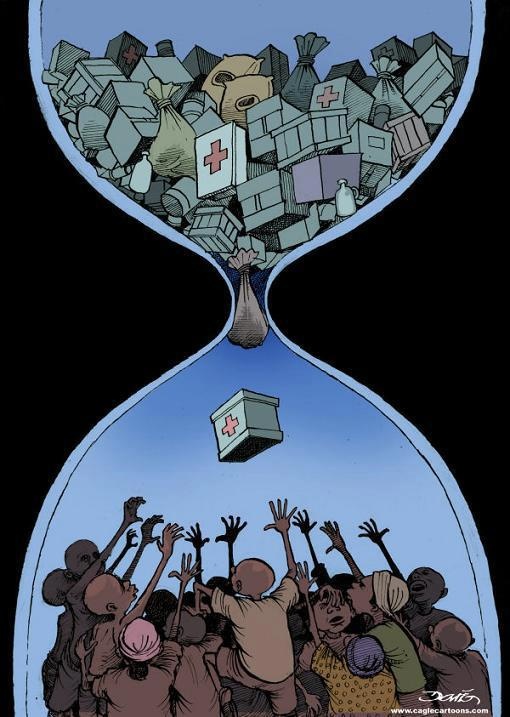
Greed, Power, Elite Consumption, and the Crisis of Leadership in Africa
When political leadership becomes a gateway to excess
By Joseph Chinenyeze Ibekwe
Across Africa, citizens are asking a painful but urgent question: Why does corruption persist even where laws, institutions, and reforms exist?
Anti-corruption agencies have been established. Procurement laws enacted. Audits conducted. Yet corruption continues to drain public resources, weaken trust, and fuel instability.
The uncomfortable truth is that Africa’s leadership crisis is not only institutional—it is moral.
“Where leadership becomes a reward rather than a responsibility, corruption becomes inevitable.”
Greed Is Not Just Theft — It Is Overconsumption
Greed in political leadership is often misunderstood. It is not simply about stealing public funds. More often, it shows up as overconsumption:
- Excessive salaries and allowances
- Convoys of luxury vehicles in struggling economies
- Lavish lifestyles sustained by public resources
- Patronage networks that reward loyalty over competence
Over time, political office is no longer seen as public service but as an investment to be recouped. Elections become expensive, power becomes transactional, and corruption becomes a means of survival within the system.
Why Institutions Alone Cannot Fix the Problem
Many African countries have relatively strong institutions on paper. Some even outperform global averages in legal frameworks and democratic processes. Yet corruption thrives.
Why?
Because institutions regulate behavior—but they do not restrain desir.
When leaders believe that holding office entitles them to personal enrichment, they will always find ways around laws. Institutions can slow corruption, but they cannot defeat it without ethical restraint.
“Strong institutions collapse when weak ethics capture them from within.”
The Social Cost of Elite Excess
Greed at the top never stays at the top.
Its consequences ripple outward into society:
Youth unemployment rises as resources are diverted from development
Public trust collapses when leaders preach sacrifice but practice excess
Protests and unrest increase as inequality becomes more visible
Democracy weakens as citizens disengage or turn to confrontation
When young people see leaders live without restraint, they learn the wrong lesson: that success comes not from service, but from proximity to power.
Leadership Is Not a Reward — It Is a Trust
Africa’s leadership crisis demands more than technical reforms. It requires a moral reset.
This is where the Fledism Leadership Philosophy offers a powerful corrective.
Fledism is built on a simple but transformative idea: Leadership is stewardship, not entitlement.
It insists that:
- Power must carry moral limits, not just legal authority
- Leaders must practice ethical sufficiency—taking what is fair, not everything possible
- Public office must be de-commercialized, removing profit from governance
- Ethics must be institutionalized, not left to personal goodwill
“If leadership is profitable, corruption will always outbid integrity.”
An African Answer Rooted in African Values
Fledism draws from Africa’s indigenous leadership traditions, where authority was tied to:
- Moral standing
- Communal responsibility
- Accountability to future generations
But it does not romanticize the past. Instead, it translates these values into modern governance norms, leadership training, and accountability systems suitable for today’s states.
It bridges:
- Culture and policy
- Values and institutions
- Morality and governance
What Political Leaders Can Do—Now
The solutions are not abstract. They are practical and urgent:
1. Set ethical limits on political consumption
Leadership should not guarantee luxury in societies battling poverty.
2. Make ethics enforceable, not symbolic
Asset declarations, lifestyle audits, and sanctions must be real and visible.
3. Reform leadership training
Leadership education must emphasize restraint, service, and stewardship—not power accumulation.
4. Lead by example
Citizens follow what leaders practice, not what they promise.
“The moral example of leadership is the strongest anti-corruption law.”
The Choice Before Africa’s Leaders
Africa does not lack laws, institutions, or talent. What it lacks, at critical moment, is ethical restraint at the highest levels of power.
The future of governance on the continent depends on a simple but profound choice:
Will leadership remain a path to personal excess, or will it become a solemn trust exercised for the common good?
The answer will determine whether corruption continues to define Africa’s politics—or whether a new era of ethical, stable, and respected leadership finally takes root.
This feature draws from leadership research and policy work by FLED International Leadership Institute, advancing the Fledism Leadership Philosophy as a framework for ethical, accountable, and transformative leadership in Africa.