

The Decline of Intellectual Activism and its Consequences in Nigeria
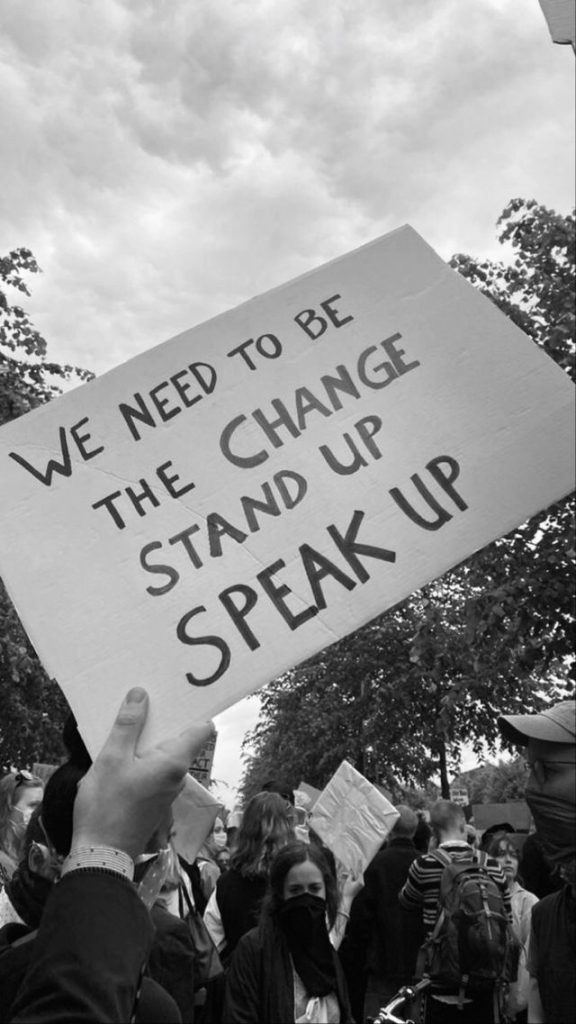
The Decline of Intellectual Activism and its Consequences in Nigeria Democracy
Every healthy democracy depends on a vibrant intellectual culture. Intellectual pursuit—serious inquiry into ideas, knowledge, and public issues—and intellectual activism—the deliberate engagement of thinkers in shaping public debate and policy—are essential for guiding national direction. Historically, Nigeria once possessed such a culture: universities produced influential scholars, writers shaped political consciousness, and student movements often stood at the forefront of national debates.
However, in recent decades, observers increasingly note a decline in both intellectual pursuit and intellectual activism in Nigeria’s public space. Public discourse appears less rigorous, the influence of scholars on policy is limited, and activism rooted in ideas has weakened. This decline raises serious concerns for Nigeria’s democratic development.
Understanding Intellectual Pursuit and Intellectual Activism
Intellectual pursuit refers to the systematic search for knowledge, critical thinking, and scholarly engagement with societal issues. It occurs primarily within academic institutions, research centres, journalism, literature, and policy debates.
Intellectual activism goes a step further: it involves intellectuals applying ideas to public life—challenging power, shaping policy debates, mobilising citizens around ideas, and offering alternative visions of society.
In Nigeria’s past, intellectual activism played significant roles. University campuses were major centres of political thought, and student-led movements often challenged government policies—such as protests against economic reforms in the late 1980s. (Wikipedia)
Scholars, writers, and journalists regularly intervened in public debates, helping citizens interpret national issues and demand accountability.
Root Causes of the Decline in Intellectual Pursuit and Activism
Weakening of the Education System
Nigeria’s declining educational infrastructure has significantly affected intellectual life. Universities struggle with underfunding, strikes, poor research support, and brain drain. Academic environments that once nurtured robust debate are now constrained by limited resources and instability.
Scholars note that neglect of the education sector has reduced both the production of ideas and the audience willing to engage them. (THISDAYLIVE)
Without strong universities, the intellectual foundation of society inevitably weakens.
Politicization and Co-optation of Intellectuals
Many intellectuals have gradually moved from independent thought to political alignment or patronage networks. Rather than speaking truth to power, some scholars, journalists, and activists become associated with partisan interests.
Observers note that intellectuals who should challenge the political system have in some cases become integrated into it, blurring the line between critique and political opportunism. (worldindustryleaders.com)
When intellectual independence disappears, intellectual activism declines.
Decline of Student Activism
Historically, Nigerian universities were centres of activism and ideological debate. Student movements played major roles in confronting authoritarian governments.
Today, student unionism has weakened significantly due to political manipulation, corruption, and external influence. Analysts warn that such manipulation risks producing leaders who lack the moral courage to challenge abuses of power. (Africa Health Report)
Without vibrant student activism, the training ground for future intellectual activists disappears.
The Rise of Social Media Populism
Social media has democratized communication but has also transformed public discourse. Quick reactions, sensationalism, and emotional rhetoric often replace careful analysis.
Commentators note that viral content increasingly dominates public discussion, pushing rigorous intellectual debate to the margins. (Medium)
Ideas now compete with entertainment, propaganda, and misinformation.
Climate of Fear and Institutional Pressure
Another factor is the subtle pressure placed on intellectuals within political systems. Speaking critically against authority can lead to marginalization, loss of opportunities, or intimidation.
As a result, many thinkers avoid public engagement altogether, contributing to a “culture of silence.” (TheCable)
Where intellectual courage is punished, intellectual activism declines.
Fragmentation of Civil Society
Civil society organizations that once drove intellectual activism have also weakened. Corruption, political co-optation, and internal divisions have undermined their effectiveness.
Experts warn that activism in Nigeria today is often compromised by political interests, diminishing its credibility and influence. (Vanguard News)
Consequences for Nigeria’s Democratic Society
Poor Quality Public Debate
When intellectual engagement declines, public debate becomes shallow. Complex national issues—economic reform, constitutional restructuring, governance reforms—are reduced to slogans. This weakens democratic decision-making.
Rise of Populism and Propaganda
Without intellectual scrutiny, propaganda and misinformation flourish. Citizens become vulnerable to political manipulation and emotional mobilization rather than evidence-based reasoning.
Weak Policy Formulation
Effective governance requires ideas. When intellectuals withdraw from public debate, policy decisions are often driven by short-term political considerations rather than long-term national strategy.
Weak Civic Culture
Democracy depends not only on elections but on civic consciousness. Intellectual activism helps citizens understand their rights, question authority, and demand accountability. Without it, democratic participation becomes passive.
Authoritarian Tendencies
A weakened intellectual culture creates space for authoritarian tendencies. Without a strong civil society and critical voices, governments face fewer constraints.
Scholars warn that the decline of organized intellectual activism reduces the capacity of society to resist abuses of power. (The Whistler Newspaper)
Reviving Intellectual Pursuit and Activism in Nigeria
Reforming the Education System
A revival of intellectual culture must begin with education. Key reforms include increased funding for universities and research, academic freedom and protection for scholars, and stronger research institutions and think tanks. Universities must once again become centres of national debate.
Rebuilding a Culture of Reading and Ideas
Intellectual culture cannot exist without a reading public. Nigeria needs vibrant publishing industries, active book culture, serious intellectual media platforms, and public lecture traditions Ideas must circulate widely in society.
Strengthening Independent Think Tanks
Independent research institutes can bridge the gap between academia and policy-making. Think tanks should conduct policy research, organize public debates, and provide intellectual input to governance. These are so important in sustaining the fire of intellectual activism in the society.
Revitalizing Student Unionism
Universities must restore democratic and autonomous student unions. Student activism historically produced many of Nigeria’s most influential intellectual leaders. Reviving this tradition can rebuild a culture of civic courage. When students are systematically engaged in dispassionate intellectual discourse of public issues, it stimulates them to come active public citizens.
Encouraging Intellectual Leadership
Nigeria needs a new generation of public intellectuals willing to engage national issues openly. Writers, academics, journalists, and policy experts must re-enter the public arena with rigorous analysis, constructive critique, and innovative ideas for national development.
Creating Platforms for Public Debate
Media houses, universities, and civic institutions should host structured debates on national issues. The goal is to rebuild the public sphere where ideas—not insults or propaganda—shape political discourse. Such platforms for real intellectual discourses not for the presentation of awards, only.
Conclusion
The decline of intellectual pursuit and intellectual activism in Nigeria represents a profound challenge for the country’s democratic future. Without a vibrant intellectual culture, public debate becomes shallow, governance deteriorates, and citizens lose the capacity to hold power accountable.
Reviving intellectual life in Nigeria requires more than nostalgia for past generations of thinkers. It demands deliberate institutional reforms, renewed educational investment, and courageous intellectual engagement with the pressing issues of the nation.
A democracy without thinkers cannot sustain itself. If Nigeria is to build a just, prosperous, and stable society, the revival of intellectual pursuit and intellectual activism must become a national priority.