
Creating Opportunities: How NGOs Empower Women and Youth
Creating Opportunities: How NGOs Empower Women and Youth
By Okunlola Christiana Omolola
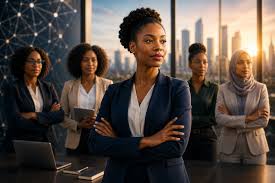
Women and young people are powerful drivers of social and economic development. However, many still face challenges such as limited access to education, unemployment, inadequate funding, and unequal opportunities. Non-Governmental Organizations (NGOs) play a vital role in addressing these challenges by providing training, resources, and support that help women and youth build brighter futures.
Why Empowerment Matters
Empowering women and young people strengthens families, communities, and economies. When they have access to education, skills, and financial opportunities, they become more independent, contribute to economic growth, and inspire positive change in society.
How NGOs Empower Women and Youth
1. Providing Education and Skills Training
Many NGOs organize vocational training, literacy programs, digital skills courses, and entrepreneurship workshops. These initiatives equip women and youth with practical skills that improve their chances of finding employment or starting their own businesses.
2. Supporting Entrepreneurship
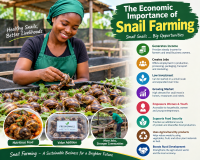
Access to finance is often a major challenge for aspiring entrepreneurs. NGOs help by offering small grants, microloans, business mentoring, and financial literacy training, enabling individuals to launch and grow sustainable businesses.
3. Promoting Leadership Development
Leadership training programs encourage women and young people to become active participants in their communities. NGOs help build confidence, communication, decision-making, and problem-solving skills, preparing future leaders to make a positive impact.
4. Improving Access to Education
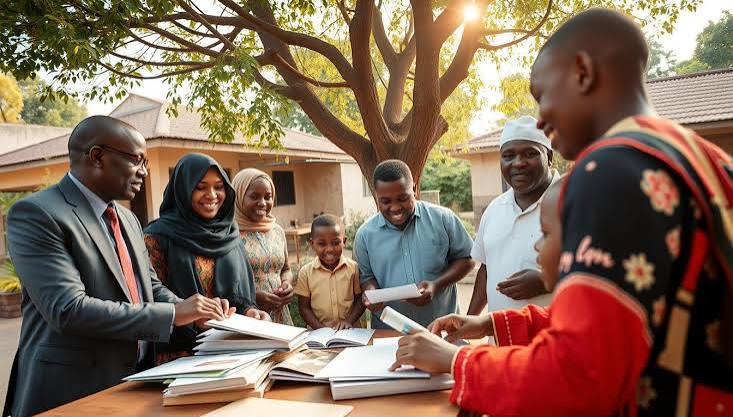
Many NGOs provide scholarships, school supplies, mentorship, and educational support for children and young adults, especially those from disadvantaged backgrounds. These efforts help reduce barriers to quality education.
5. Advocating for Equal Opportunities
NGOs work to promote gender equality and protect the rights of women and young people. Through advocacy, public awareness campaigns, and policy engagement, they encourage equal access to education, employment, and leadership opportunities.
6. Promoting Health and Well-Being
Good health is essential for personal and economic development. NGOs organize health awareness campaigns, provide access to healthcare services, and educate communities about nutrition, reproductive health, mental health, and disease prevention.
7. Creating Safe Spaces and Mentorship
Many NGOs establish youth centers, women’s groups, and mentorship programs where individuals can receive guidance, build networks, share experiences, and develop personally and professionally.
The Benefits to Society
When women and youth are empowered, communities experience:
- Increased employment and entrepreneurship.
- Reduced poverty and improved household incomes.
- Greater gender equality and social inclusion.
- Stronger community leadership.
- Improved education and health outcomes.
- More innovation and economic growth.
Challenges NGOs Face
Despite their impact, many NGOs face obstacles such as limited funding, inadequate infrastructure, changing economic conditions, and difficulty reaching remote communities. Strong partnerships with governments, businesses, donors, and local communities are essential to expand their reach and increase their effectiveness.
NGOs play a crucial role in creating opportunities for women and youth by investing in education, entrepreneurship, leadership, health, and advocacy. Their work helps individuals unlock their potential and contribute meaningfully to society. By empowering women and young people today, NGOs are helping build stronger communities, more inclusive economies, and a more prosperous future for everyone.