

FLED INSTITUTE Visits Baze University, Explores Strategic Partnership
FLED INTERNATIONAL LEADERSHIP INSTITUTE Pays Courtesy Visit to Baze University, Explores Strategic Partnership
University Leadership Commends FILI’s Enduring Legacy; Expresses Readiness to Collaborate on Leadership Education and Human Capacity Development
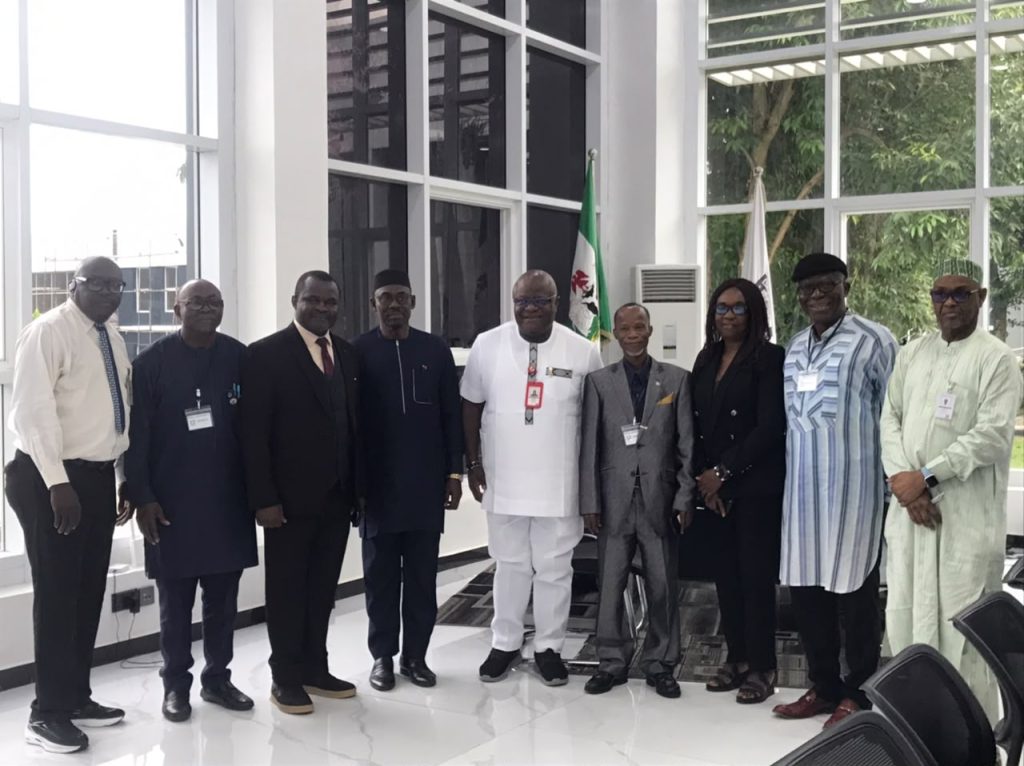
The Governing Council and leadership of FLED International Leadership Institute (FILI) on Monday August 17, 2026, paid a high-level courtesy visit to the Vice Chancellor of Baze University, Abuja, Professor Abiodun Adeniyi, in an engagement focused on leadership education, human capacity development and opportunities for deeper institutional collaboration.
The FILI delegation, led by the Chairman of the Governing Council, Pastor John Dara, included the President and Founder of FLED International Leadership Institute, Prof. Joseph Chinenyeze Ibekwe, members of the Governing Council and other senior leaders of the Institute.
The delegation was warmly received by the Vice Chancellor; the Registrar, Ahmad L. Mahmoud; the Deputy Vice Chancellor, Prof. Osita Agbu, the Deputy Registrar Council & Senate, Kehinde Adekeye and other members of the University’s senior leadership.
The courtesy visit provided an opportunity for the leadership of FILI to formally congratulate Professor Adeniyi on his appointment as Vice Chancellor and to introduce the current Governing Council and leadership of the Institute to the new leadership of Baze University.
In his remarks, the Chairman of the Governing Council, Pastor John Dara, explained that the visit was intended not only as a courtesy call but also as an opportunity to explore areas in which FILI and Baze University could develop a mutually beneficial institutional relationship.
He emphasized the Institute’s commitment to leadership education, institutional development and the development of responsible leaders capable of contributing meaningfully to society.
The President and Founder, Prof. Joseph Ibekwe, subsequently presented the broader vision and strategic direction of FLED International Leadership Institute, including its commitment to the Fledism Leadership Philosophy, which understands leadership fundamentally as stewardship.
He also highlighted the Institute’s emerging Education for Utility (EFU) initiative, which seeks to strengthen the connection between academic knowledge, practical application, problem-solving, innovation and societal impact.
Other areas of possible collaboration discussed included student leadership development, academic engagement with the African Institute of Public Leadership (AIPL), research and knowledge collaboration, intellectual and strategic dialogue, and the possibility of developing a formal institutional partnership between the two institutions.
A significant moment during the meeting was the recognition by the Vice Chancellor of the enduring history and institutional legacy of FLED and FLED International Leadership Institute.
Professor Adeniyi acknowledged that the Institute’s long existence and continuing institutional development distinguished it from organizations that emerge for a particular season and subsequently disappear.
His observation underscored the significance of FILI’s institutional journey, with the broader FLED Group Africa dating back to 1995 and FLED International Leadership Institute having been established in 1999.
The Vice Chancellor expressed his readiness to work with FLED Institute in areas that can promote leadership education and human capacity development, signalling a positive disposition toward further engagement between the University and the Institute.
The response was particularly encouraging to the FILI delegation, given the Institute’s long-standing commitment to building institutions and leadership systems capable of enduring beyond individuals and particular seasons.
During the visit, Prof. Ibekwe formally presented to the Vice Chancellor a draft copy of the FILI–Baze University Strategic Engagement Framework
The document sets out potential pathways through which the two institutions could explore collaboration in areas including:
- Education for Utility (EFU);
- leadership development;
- student leadership formation;
- academic engagement with AIPL;
- research and knowledge collaboration;
- intellectual and strategic dialogue;
- public leadership education; and
- a possible formal academic partnership.
The proposed framework adopts a progressive approach to institutional collaboration — beginning with dialogue and exploratory engagement, moving into pilot initiatives and evaluation, and potentially leading to a more formal institutional relationship where mutually considered appropriate.
The approach reflects FILI’s preference for co-creation, mutual value and demonstrated results rather than imposing predetermined partnership models.
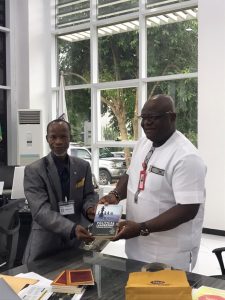
As part of the engagement, Prof. Joseph Ibekwe also presented copies of books authored by him to the Vice Chancellor including “The Quest for Political Leadership & Citizens Democracy: How Individual Become Public Citizens”.
The presentation provided an additional opportunity to share some of the intellectual work and leadership perspectives that have informed the development of FLED and its leadership education philosophy.
The visit represents an important step in FILI’s continuing effort to build relationships with universities and other institutions whose work aligns with its commitment to leadership, education, institutional development and human advancement.
For FILI, the engagement with Baze University is particularly significant because of the potential to connect the University’s academic environment with practical leadership development, applied learning and wider societal engagement.
The Institute believes that universities have a critical role in shaping not only the professionals of tomorrow, but also the leaders who will influence Africa’s institutions, economies and societies.
Following the successful courtesy visit, FLED Institute looks forward to continued engagement with the leadership of Baze University and to exploring practical areas of collaboration that can produce value for students, faculty, the University and the wider society.
The Institute expects that subsequent engagements will provide an opportunity for designated representatives of both institutions to examine the proposed areas of collaboration in greater detail and determine appropriate next steps.
The visit reinforces a central conviction of FLED International Leadership Institute that education should produce knowledge and knowledge should create value.
Other Members of the FLED Institute delegate includes Maj. Prof. Aku Amboson, (RTD); HFAIPL; Mr. Ifeanyi Obibuzor, HFAIL; Madam Angela Agowaike, FAIPL, Dr. James Komolafe, FAIPL, and Miss Margate Bassey.
About FLED International Leadership Institute
FLED International Leadership Institute (FILI) is the Learning Arm of FLED Group Africa and has been engaged in leadership education and human capacity development since its establishment in 1999.
Its work is grounded in Fledism Leadership Philosophy, a human-centred leadership philosophy that understands leadership as stewardship and emphasizes the responsible use of authority, knowledge, resources and influence for the advancement of people, institutions and society.
FILI’s programmes and initiatives span leadership education, public leadership, professional development, institutional development, applied learning, research and strategic dialogue.