
Ethnic Bias and the Fagility of One Nigeria
Ethnic Bias, and the Fragility of One Nigeria
By Uche Anyanwu
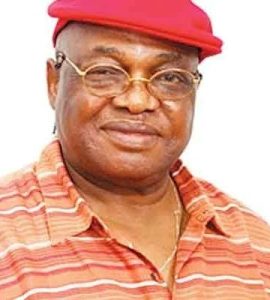
The demand that Peter Obi, a man with a proven track record of integrity, must continually plead for the trust of some Northern elites in Nigeria is not just frustrating, it’s a painful symptom of a nation struggling to rise above its ethnic and regional divides.
Obi, the Labour Party’s 2023 presidential candidate, represents a rare breed in Nigerian politics, a leader whose governance in Anambra State showcased fiscal responsibility, transparency, and a commitment to the public good.
His traceable lineage of integrity should be a beacon of hope for a country weary of corruption and mismanagement. Yet, for some in the North, his Igbo identity casts a shadow over his credentials, revealing a deeper malaise in Nigeria’s quest for unity.
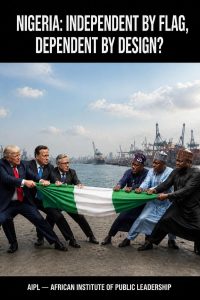
The North, a region with immense political influence due to its population and historical grip on federal power, has often dictated the terms of national leadership.
This dynamic, while rooted in Nigeria’s federal structure, fosters a politics of regional loyalty over national interest. The expectation that Obi must “prove” himself to Northern voters feels less about his qualifications and more about entrenched power calculations.
Northern elites, who have long manipulated ethnic and religious sentiments to maintain control, have left many in the region skeptical of outsiders like Obi, whose message of reform challenges the status quo.
This manipulation obscures the truth of what Nigeria could be, a nation where competence trumps tribalism.
The suggestion that Obi’s Igbo identity makes him difficult to trust is a stark reminder of Nigeria’s unresolved ethnic tensions. The Igbo have faced marginalization since the Nigerian Civil War, with stereotypes painting them as separatists unfit for national leadership.
If a candidate of Obi’s caliber is dismissed primarily because of his ethnicity, it strikes at the heart of “one Nigeria.” A nation that cannot embrace a leader based on merit, regardless of their ethnic background, risks deepening alienation and fueling calls for division.
The frustration is palpable: if Nigeria cannot move beyond these biases, the dream of a united country may slip further out of reach.
This is not just about Peter Obi, it’s about Nigeria’s future. The push by some misguided politicians in the North and their hesitation to embrace him reflects broader challenges, a political system that rewards regional patronage over national vision and a society still grappling with the wounds of its past.
To move forward, Nigeria needs honest dialogue about ethnic grievances, reforms to prioritize merit-based politics, and leaders who reject divisive tactics.
Obi’s campaign, with its focus on youth, competence, and unity, offers a glimpse of what could be possible. But for “one Nigeria” to endure, all regions must embrace the idea that leadership transcends ethnicity. Anything less is a betrayal of the nation’s promise.
Uche Anyanwu is an Abuja-based legal practitioner