

Nigerian Beads’ Historical Significance
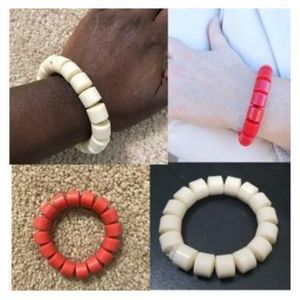
Nigerian Beads’ Historical Significance
In Nigerian society, beads have a lengthy history that dates back to prehistoric trade routes where stone, glass, and coral beads were traded between different parts of the country. Beads were prized objects in pre-colonial periods and occasionally employed as money or status symbols. Bead wear is a significant cultural marker since different groups evolved distinctive bead-making styles and processes.
Cultural Significance for All Ethnic Groups
The way beads are worn and what they stand for reflect Nigeria’s ethnic variety.
Yoruba Culture: Among the Yoruba people, beads—especially coral beads—are closely associated with royalty. Intricate beaded regalia, including as crowns, necklaces, and bracelets, is worn by chiefs and kings (Obas) as a sign of power and divine connection. Additionally, beads are worn at customary events like festivals and weddings.
Igbo Culture: Beads are a symbol of social status and distinction in Igbo societies. During customary marriage ceremonies, brides and titled men and women frequently wear red coral beads. They stand for prosperity, dignity, and pride in one’s culture.
Hausa/Fulani Culture: Northern Nigerian beads are frequently more basic yet still have significance. They can represent attractiveness, marital status, or regional identity and are utilized as personal decoration, particularly by women.
Bead Wear Types
In Nigeria, beads are worn in a variety of ways, each with a distinct function:
Necklaces: Frequently ornate and layered, particularly in ceremonial clothing.
Both traditional and contemporary fashion frequently use bracelets and anklets.
Women use waist beads for aesthetic reasons, cultural identification, and occasionally symbolic implications like femininity or childbearing.
Royalty and high-ranking persons are the only ones who can wear beaded crowns and accessories.