
How Climate Change Affects Agriculture
How Climate Change Affects Agriculture
By Okunlola Christiana Omolola
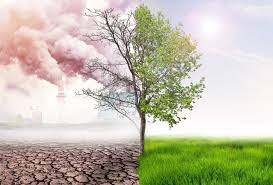
Climate change has become one of the biggest global challenges affecting agriculture and food production. Farmers around the world are experiencing changes in weather patterns, rising temperatures, droughts, floods, and environmental disruptions that threaten crops, livestock, and rural livelihoods. Since agriculture depends heavily on stable climate conditions, even small environmental changes can have major effects on food supply and economic stability.
As the global population continues to grow, climate change is making it more difficult for farmers to produce enough food to meet increasing demand. Understanding how climate change affects agriculture is important for building sustainable farming systems and protecting future food security.
Unpredictable Weather Patterns
One of the most visible effects of climate change is unpredictable weather. Rainfall patterns are becoming irregular, making farming seasons harder to predict.
Farmers now face:
- Delayed rainfall
- Excessive rainfall
- Unexpected droughts
- Strong storms and wind damage
These conditions can destroy crops, reduce harvest quality, and increase farming risks.
Drought and Water Shortages
Climate change has increased the frequency of droughts in many regions, especially in parts of Africa. Lack of water affects both crop farming and livestock production.
Without enough water:
- Crops dry up before harvest
- Soil becomes less fertile
- Livestock struggle to survive
- Irrigation costs increase
Water shortages reduce agricultural productivity and threaten food supply.
Flooding and Soil Erosion
Heavy rainfall and flooding are becoming more common due to climate change. Floods can wash away crops, damage farmland, and destroy infrastructure such as roads and storage facilities.
Flooding also contributes to:
- Soil erosion
- Loss of nutrients
- Poor soil quality
- Reduced farm productivity
Farmers may face major financial losses after severe floods.
Increased Pest and Disease Outbreaks
Warmer temperatures create favorable conditions for pests and plant diseases to spread more rapidly.
Climate change can increase:
- Insect infestations
- Crop diseases
- Livestock infections
- Weed growth
Farmers may need to spend more money on pesticides and disease control measures.
Reduced Crop Yields
Climate change affects the growth and development of many crops. Extreme heat and poor rainfall reduce crop productivity and quality.
Common effects include:
- Smaller harvests
- Poor crop quality
- Reduced food availability
- Higher food prices
Staple crops such as maize, rice, wheat, and cassava are especially vulnerable to climate changes.
Economic Challenges for Farmers
Climate-related disasters often reduce farmer income and increase production costs.
Farmers may spend more money on:
- Irrigation systems
- Fertilizers
- Pest control
- Animal feed
- Climate-resistant seeds
At the same time, reduced harvests can lower profits and increase poverty in farming communities
Threat to Food Security
Climate change threatens global food security by reducing agricultural production and increasing food prices.
When food production decreases:
- Hunger may increase
- Malnutrition becomes more common
- Food imports may rise
- Poor communities suffer the most
Protecting agriculture is essential for ensuring stable food supplies in the future.