
How Reading Books Improves Knowledge and Critical Thinking
By Okunlola Christiana Omolola
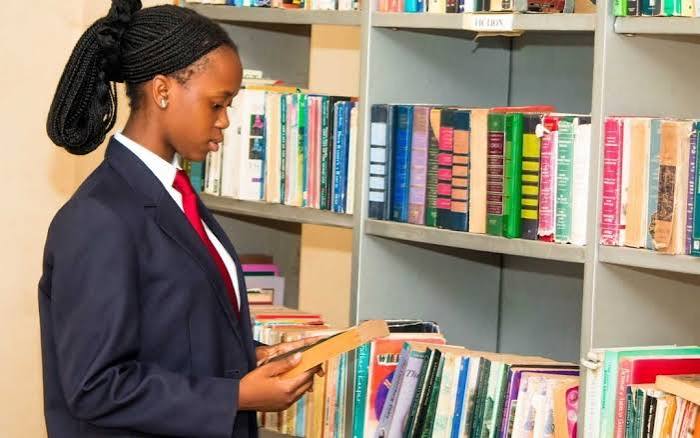
Reading books is one of the most effective ways to gain knowledge and develop critical thinking skills. Whether reading fiction, non-fiction, biographies, or educational materials, books expose readers to new ideas, experiences, and information that broaden their understanding of the world. In an age where information is readily available, reading remains a powerful tool for intellectual growth and lifelong learning.
Expands Knowledge
Books provide valuable information on a wide range of subjects, including science, history, health, technology, business, and culture. Regular reading helps individuals learn new facts, understand complex topics, and stay informed about important issues. The more a person reads, the greater their knowledge base becomes.
Improves Vocabulary and Language Skills
Reading introduces readers to new words, phrases, and writing styles. Over time, this improves vocabulary, grammar, and communication skills. A strong command of language enables individuals to express their thoughts clearly and confidently in both personal and professional settings.
Enhances Critical Thinking
Books encourage readers to analyze information, evaluate arguments, and form their own opinions. Readers learn to question assumptions, identify key points, and consider different perspectives. These skills are essential for making informed decisions and solving problems effectively.
Strengthens Concentration and Memory
Reading requires focus and attention, helping to improve concentration over time. As readers follow storylines, remember characters, or absorb factual information, they exercise their memory and strengthen cognitive abilities.
Encourages Creativity and Imagination
Fiction books, in particular, stimulate the imagination by allowing readers to visualize characters, settings, and events. This creative thinking can inspire innovation, problem-solving, and the ability to think beyond conventional ideas.
Exposes Readers to Different Perspectives
Books offer insights into different cultures, lifestyles, and viewpoints. By understanding how others think and live, readers develop empathy, open-mindedness, and a broader perspective on global issues and human experiences.
Supports Academic and Professional Success
Strong reading habits contribute to better academic performance and career development. Reading improves comprehension, research skills, and the ability to process information, all of which are valuable in education and the workplace.
Promotes Lifelong Learning
Reading fosters curiosity and a desire to continue learning throughout life. People who read regularly are more likely to seek new knowledge, adapt to change, and remain intellectually engaged as they grow older.
Reading books is much more than a leisure activity; it is a powerful tool for building knowledge and developing critical thinking skills. By expanding understanding, improving language abilities, strengthening concentration, and encouraging independent thought, reading helps individuals become more informed, thoughtful, and capable members of society. Making reading a daily habit can lead to lifelong personal and intellectual growth.