
The Best Vegetables for Weight Loss and Healthy Living
By Okunlola Christiana Omolola
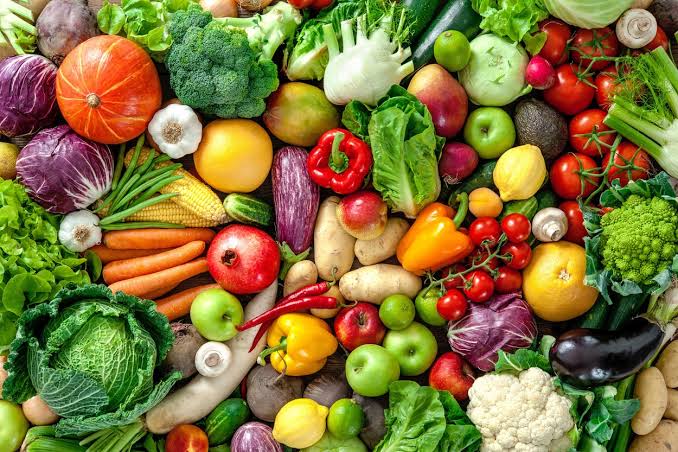
Maintaining a healthy weight does not mean starving yourself—it means choosing foods that nourish your body while keeping you full. Vegetables are among the best foods for weight loss because they are low in calories, high in fiber, and packed with vitamins, minerals, and antioxidants. Eating a variety of vegetables every day can help improve digestion, boost immunity, and reduce the risk of chronic diseases.
Why Vegetables Are Good for Weight Loss
Vegetables are rich in dietary fiber, which helps you feel full for longer and reduces unnecessary snacking. They also contain plenty of water, making them filling without adding many calories. In addition, vegetables provide essential nutrients that support metabolism and overall health.
Best Vegetables for Weight Loss
1. Spinach
Spinach is low in calories but high in iron, vitamins A and C, and fiber. It helps keep you satisfied and supports healthy digestion. Add it to salads, soups, smoothies, or omelets.
2. Broccoli
Broccoli is a nutrient-rich vegetable packed with fiber, vitamin C, and antioxidants. It promotes fullness, supports digestion, and helps maintain a healthy weight.
3. Cabbage
Cabbage is low in calories and high in fiber, making it an excellent choice for weight management. It can be enjoyed in salads, soups, or stir-fries.
4. Carrots
Carrots are naturally sweet and rich in beta-carotene and fiber. They make a healthy snack that satisfies hunger while providing essential nutrients.
5. Cucumber
Cucumbers contain mostly water, making them refreshing and very low in calories. They help keep the body hydrated and are ideal for salads or healthy snacks.
6. Bell Peppers
Bell peppers are rich in vitamins A and C, antioxidants, and fiber. Their bright colors and sweet taste make them a healthy addition to many meals.
7. Cauliflower
Cauliflower is a versatile vegetable that can replace high-calorie foods such as rice or mashed potatoes. It is rich in fiber and nutrients that support healthy eating.
8. Green Beans
Green beans are low in calories and provide fiber, vitamins, and minerals. They help promote fullness and support digestive health.
9. Tomatoes
Tomatoes are packed with vitamins, antioxidants, and water. They add flavor to meals without increasing calorie intake and contribute to heart health.
10. Lettuce
Lettuce is extremely low in calories and perfect for salads and wraps. It provides hydration and fiber while helping you feel satisfied.
Tips for Including More Vegetables in Your Diet
- Fill at least half of your plate with vegetables during meals.
- Snack on raw vegetables instead of chips or sugary treats.
- Add vegetables to soups, stews, rice, pasta, and sandwiches.
- Try steaming, grilling, or roasting vegetables to enhance their flavor.
- Choose a variety of colorful vegetables to get a wide range of nutrients.
Health Benefits Beyond Weight Loss
Eating more vegetables does more than help with weight management. Regular vegetable consumption can:
- Improve digestion through dietary fiber.
- Strengthen the immune system with essential vitamins.
- Support heart health by lowering cholesterol and blood pressure.
- Help regulate blood sugar levels.
- Reduce the risk of obesity, diabetes, and certain types of cancer.
Vegetables are a cornerstone of a healthy diet and one of the best natural foods for weight loss. By including nutrient-rich vegetables such as spinach, broccoli, cabbage, carrots, cucumbers, and tomatoes in your daily meals, you can manage your weight while improving your overall health. Combined with regular physical activity and a balanced diet, vegetables can help you achieve a healthier lifestyle and long-term well-being.