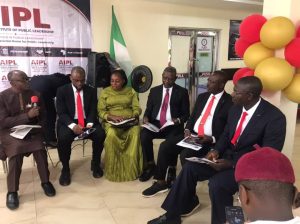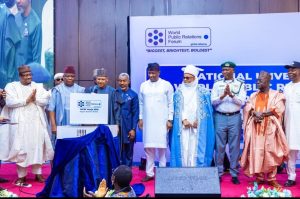

Nigeria Hosts World Public Relations Forum in Abuja
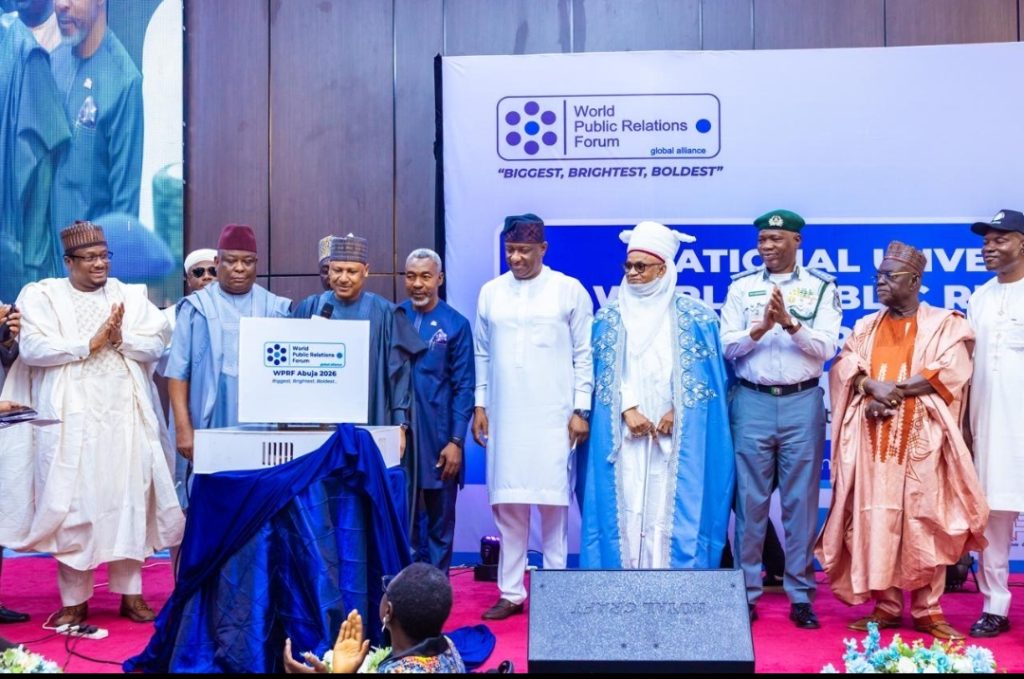
Nigeria Hosts World Public Relations Forum
The Tinubu Administration and the Imperative of Turning Global Attention into National Transformation
By Citizen Bolaji O. Akinyemi
There are moments in the life of a nation when the world does not merely look in its direction; it gathers within its borders. Such moments carry opportunities that extend far beyond ceremonial recognition. They offer nations the rare privilege of presenting their identity, communicating their aspirations, correcting misconceptions and negotiating a place in the consciousness of the international community.
Nigeria is experiencing one such moment.
The gathering of the global public relations community in Abuja for the 2026 World Public Relations Forum (WPRF), from 15 to 21 November, is more than an international professional conference. It is an opportunity for Nigeria to speak to the world through the very people whose professional calling is to shape narratives, build trust, manage perceptions and influence relationships.
The eyes and mouths of the world are here. But the question is: Will Nigeria be seen and heard?
And perhaps more importantly, will the Nigeria that the world sees be the Nigeria that Nigerians themselves recognise?
A historic opportunity beyond protocol
The Nigerian Institute of Public Relations, under the leadership of its President and Chairman of Council, Dr Ike Neliaku, deserves commendation for bringing this international gathering to Nigeria.
Securing the hosting rights was one achievement. Translating that opportunity into a credible international experience is another. The preparations leading to the forum reveal an appreciation of the scale of the responsibility.
The Institute has mobilised institutional partnerships, engaged government and diplomatic stakeholders, attracted international professional bodies and brought together communication practitioners, academics, policymakers and business leaders. The involvement of the Global Alliance for Public Relations and Communication Management and the African Public Relations Association gives the gathering both global and continental significance.
The programme has also been designed to move beyond conventional conference engagements. The Nigeria Experience Zone, opened on 16 November, is an imaginative effort to present the country’s cultural identity, hospitality, enterprise and creative capacity to international visitors. The Jollof Rice Festival, cultural exhibitions, entertainment experiences and opportunities to engage with Nigerian fashion and craftsmanship demonstrate an understanding that national reputation is not communicated through speeches alone. It is also experienced through people, products, culture and hospitality.
The participation of the Federal Government, represented at the opening by the Minister of Information and National Orientation, Mohammed Idris, who welcomed delegates on behalf of President Bola Ahmed Tinubu, further establishes the importance attached to the gathering.
Reports from the opening activities indicate participation from representatives of 126 countries. The Minister described Nigeria’s emergence as the first West African country and second African country to host the World Public Relations Forum as recognition of its growing international standing.
These are commendable milestones.
Dr Neliaku and his Executive Council deserve particular recognition for the vision, persistence, institutional diplomacy and organisational capacity required to deliver a project of this magnitude. They have placed Nigeria before an international professional community whose influence extends into government, business, diplomacy, media, academia and civil society.
But the real test of leadership is not simply the successful hosting of an event. It is what the event makes possible after the guests have departed.
The message behind responsible communication
The theme, Responsible Communication: The Voice of the World, is particularly significant for Nigeria.
We are living in an age when information is abundant but trust is increasingly scarce. Artificial intelligence, deepfakes, misinformation, disinformation and the weaponisation of digital platforms have complicated the relationship between citizens, governments and institutions.
Public relations must therefore become more than the management of appearances. It must be an instrument for building institutional credibility.
A government cannot communicate its way out of a failure of governance. Neither can an institution manufacture public confidence through publicity when its conduct contradicts its claims.
This distinction is important for Nigeria.
Our national challenge is not merely that the world sometimes misunderstands us. It is also that our domestic realities frequently contradict the image we desire to project internationally.
Insecurity, economic hardship, unemployment, institutional distrust, political intolerance and the growing distance between government promises and citizens’ lived experiences remain significant obstacles to national reputation.
The World Public Relations Forum should consequently challenge Nigeria to understand that the most enduring national image is the one produced by the quality of its institutions and the experiences of its citizens.
The world must not merely hear what Nigeria says about itself. It must see evidence of what Nigeria is becoming.
Tinubu and the opportunity to convert visibility into value
President Tinubu’s administration must appreciate that the hosting of the WPRF presents an opportunity that should not be reduced to diplomatic photographs, presidential speeches and ceremonial acknowledgements.
This is an opportunity to engage the global community on Nigeria’s development priorities, investment environment, democratic aspirations, creative economy, human capital, security challenges and institutional reforms.
The administration should use the presence of global communication leaders to establish enduring partnerships that will outlive the conference.
First, Nigeria should pursue a deliberate national reputation strategy that connects public communication to measurable governance outcomes. The country needs to move from episodic image promotion to a sustained programme of institutional trust-building.
Second, the Federal Government should create opportunities for international investors, development institutions, technology companies and professional organisations to engage Nigerian institutions and enterprises beyond the conference venue.
Third, Nigeria should establish a permanent platform for responsible communication, bringing government, professional bodies, the media, academia and civil society together to confront misinformation, promote national cohesion and strengthen public accountability.
Fourth, the Abuja Declaration on Responsible Communication, which is expected to emerge from the gathering, should not become another international document celebrated at its unveiling and abandoned thereafter. It should provide a framework for practical commitments, institutional partnerships and periodic assessments.
The proposed direction of the declaration, including the need to update professional standards established by the 1978 Mexico statement in response to contemporary realities, is particularly important.
Nigeria should seek to become a leading advocate and practitioner of responsible communication, not merely the country that hosted the conversation.
The 2027 election: Nigeria’s most important reputation test
Perhaps no issue should command greater attention during this global gathering than the future of Nigeria’s democracy.
The timing of the World Public Relations Forum is remarkable. Nigeria is approaching another general election, and the atmosphere surrounding the 2027 electoral process raises questions that cannot be ignored.
The recently released Afrobarometer survey of 11 November 2026 presents a disturbing picture. Only 37 per cent of Nigerians expect the 2027 elections to be largely free and fair, while 48 per cent believe they will be neither free nor fair. Nearly nine in ten anticipate vote buying, while 79 per cent foresee political violence and the possibility of valid votes not being counted. These are not figures that any government committed to democratic legitimacy should dismiss.
The Nigeria Civil Society Situation Room has equally raised concerns about political competition, institutional independence, electoral technology, political violence and the protection of citizens’ democratic rights.
These concerns must be taken seriously.
The image of the 2027 election is not looking good. There is a growing need to reassure Nigerians and the international community that the next election will be an improvement on previous experiences.
President Tinubu has an opportunity to demonstrate that his administration understands the difference between winning an election and earning democratic legitimacy.
The government must recognise that no amount of international public relations can compensate for an electoral process that citizens perceive as compromised.
This is where the NIPR and the global professional community have an important responsibility.
I believe the Nigerian Institute of Public Relations should use its unique position as host to initiate a national conversation on the relationship between responsible communication and credible elections.
It should bring together INEC, political parties, the judiciary, security agencies, the media, civil society organisations, religious institutions and international observers to articulate a common democratic commitment.
The central message should be unmistakable:
Nigeria wants an election that is free, fair, transparent and credible.
This aspiration must transcend political parties, candidates, ethnic identities, religious affiliations and the ambitions of the incumbent administration.
NIPR must be courageous enough to champion this national desire without becoming an instrument of any political interest. Its institutional independence is essential to the credibility of its intervention.
The international public relations community should also appreciate that Nigeria’s democratic experience matters beyond its borders. As Africa’s most populous country and a significant regional actor, the credibility of its elections has implications for democratic stability across the continent.
The NIPR should therefore consider making electoral integrity a defining legacy of its engagement with the global community.
From global attention to Performance Democracy
There is an even greater opportunity here.
Nigeria must begin to move beyond a democracy measured principally by the conduct of elections to one assessed by the quality of governance delivered after elections.
This is the essence of Performance Democracy.
Elections should provide citizens with the opportunity to choose their leaders. But democracy must subsequently be measured by security, education, life and livelihood, freedom, institutional accountability, transparency and the satisfaction of citizens.
The WPRF offers Nigeria an opportunity to introduce this conversation to the global communication community.
The professional responsibility of public relations practitioners should not end with helping institutions communicate their achievements. It should also involve helping institutions understand the consequences of their failures, listen to citizens and respond to legitimate expectations.
A government that listens is better positioned to govern. An institution that accepts scrutiny is better positioned to earn trust. A democracy that protects the citizen’s voice is better positioned to survive political transitions.
This is why the WPRF should become an important platform for advancing the relationship between responsible communication, transformational leadership and Performance Democracy.
What should remain after the world departs?
When the international delegates return to their respective countries, what will they remember about Nigeria?
Will they remember the hospitality, the Jollof Rice Festival, the cultural exhibitions, the warmth of our people and the quality of the conference organisation? Certainly, these are valuable experiences.
But will they also remember a country that is determined to confront insecurity, restore public confidence, protect democratic institutions and deliver prosperity to its citizens?
That is the more important question.
The success of the WPRF should be measured at three levels:
Institutional success: Nigeria must demonstrate its capacity to organise and host a world-class international gathering.
Economic and reputational success: The event should create enduring opportunities for tourism, investment, professional collaboration and international partnerships.
Democratic success: The gathering should help strengthen Nigeria’s commitment to responsible communication, freedom of expression, institutional accountability and credible elections.
I would particularly encourage Dr Ike Neliaku and his Executive Council to ensure that the outcome of this historic gathering does not end with the closing ceremony. A post-forum implementation and engagement framework should be developed, with measurable commitments and periodic public reporting.
The Abuja Declaration should become a living instrument. The global relationships established should become working partnerships. The national conversations initiated should produce institutional reforms.
And the 2027 elections should become an opportunity for Nigeria to demonstrate that it has listened to the concerns of its citizens.
Nigeria must rise to the occasion
I congratulate Dr Ike Neliaku, the NIPR Governing Council, the National Planning Committee, its partners and every professional who has contributed to bringing this historic gathering to Nigeria.
Their work deserves recognition. They have given Nigeria a remarkable opportunity to occupy a prominent place in the global conversation on communication and leadership.
But I offer one final admonition to the Tinubu administration: do not mistake the world’s presence in Nigeria for the world’s endorsement of everything happening in Nigeria.
International attention is an opportunity, not an acquittal.
I had expected the President or the Vice President to attend the opening ceremony, given the international significance of the gathering and the opportunity it presents for Nigeria. Their absence was a missed opportunity for presidential-level engagement. One sincerely hopes that the President or Vice President will be present at the closing ceremony to demonstrate the importance the Federal Government attaches to this historic occasion.
Global visibility is an invitation to responsibility, not a certificate of national excellence.
The eyes and mouths of the world are here. Let them see a country willing to confront its challenges honestly. Let them hear the genuine aspirations of its citizens. Let them encounter a government that understands that reputation is earned through performance, not publicity.
Above all, let the world hear that Nigerians want their votes to count, their freedoms protected, their institutions respected and their future secured.
The greatest public relations achievement of the Tinubu administration may not be how successfully it presents Nigeria to the world, but how convincingly it presents a better Nigeria to Nigerians themselves.
The World Public Relations Forum has brought the world to our doorstep. What Nigeria does with this opportunity will determine whether this historic gathering becomes another international event in our national calendar or a defining moment in our national evolution.
The world is watching. Nigeria must now give it something worthy of seeing and hearing.
Citizen Bolaji O. Akinyemi
Apostle | Nation Builder | Advocate for Performance Democracy
Committed to uplifting citizenship consciousness.