

Prostrate gland health

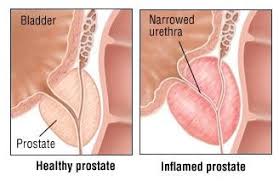
Maintaining prostate health is crucial for men, as the prostate gland can be prone to issues like inflammation, enlargement, and cancer. A healthy lifestyle, including a balanced diet, regular exercise, and regular screenings, can significantly reduce the risk of prostate problems.
-
Age:
Prostate problems, particularly benign prostatic hyperplasia (BPH), become more common with age.
-
Diet:
A diet rich in fruits, vegetables, and healthy fats may promote prostate health, while excessive red meat consumption may increase the risk of prostate cancer.
-
Lifestyle:
Regular exercise and maintaining a healthy weight can improve overall prostate health and potentially reduce the risk of BPH.
-
Family History:
Men with a family history of prostate cancer may have a higher risk and should consider earlier screenings.
-
Diet:
- Include: Fruits, vegetables, whole grains, and lean proteins in your diet.
- Focus on: Healthy fats from sources like fish, nuts, seeds, and olive oil.
- Limit: Red meat and processed foods.
- Consider: The Mediterranean diet, which may be particularly beneficial for prostate health.
- Include: Fruits, vegetables, whole grains, and lean proteins in your diet.
-
Exercise:
- Aim for: At least 30 minutes of physical activity most days of the week.
- Consider: Kegel exercises to strengthen pelvic floor muscles.
- Aim for: At least 30 minutes of physical activity most days of the week.
-
Screenings:
- Consult your doctor: About recommended screening guidelines based on your age and risk factors.
- Consult your doctor: About recommended screening guidelines based on your age and risk factors.
-
Other:
- Manage stress: High stress levels can negatively impact overall health, including prostate health.
- Quit smoking: Smoking can increase the risk of prostate cancer.
- Consider supplements: Some natural supplements like saw palmetto, pygeum, and pumpkin seed oil may help with prostate health, but consult with your doctor before taking any supplements.
- Manage stress: High stress levels can negatively impact overall health, including prostate health.