
Changing Dietary Patterns and Their Impact on Agricultural Produce
Changing Dietary Patterns and Their Impact on Agricultural Produce
By Abbah Christy
Dietary habits globally are experiencing notable changes driven by urbanization, globalization, rising incomes, and heightened consciousness regarding health and environmental concerns. These shifts are altering not only the types of foods people consume but also the functioning of agricultural systems. As consumer preferences evolve, it is essential for farmers, food producers, and policymakers to adjust agricultural production to align with emerging consumption patterns.
Factors Driving Changes in Dietary Trends
1. Urban Development and Global Trade
The rise of city living has led to greater access to convenience and processed foods, while international trade has facilitated year-round availability of a variety of food items. This has lessened reliance on traditional, locally sourced foods.
2. Increasing Income Levels
With rising incomes, particularly in developing nations, dietary preferences often transition away from basic staple crops (such as grains and tubers) toward a wider variety of foods, including meat, dairy, fruits, and processed options.
3. Awareness of Health Issues
A growing understanding of nutrition has promoted increased intake of fruits, vegetables, and whole grains, despite the continued prevalence of unhealthy diets around the world.
4. Environmental Issues
Worries regarding climate change and sustainability are driving a portion of consumers towards plant-based or eco-friendly diets.
Effects on Agricultural Output
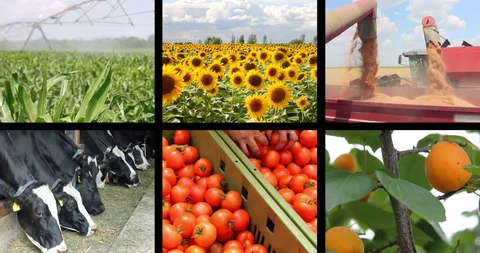
1. Heightened Demand for Animal Products
Expansion in livestock agriculture
Higher demand for feed crops such as maize and soy
Increased strain on land and water resources
Agricultural System Transformation
In order to satisfy changing nutritional needs, agriculture is becoming more:
Industrialized: Mechanization and large-scale farming
Specialized: Concentrate on crops with high demand
AI, irrigation systems, and better seeds are examples of technology-driven