

The Importance of Creativity and Innovation in Education
The Importance of Creativity and Innovation in Education
By Okunlola Christiana Omolola
Education is no longer only about memorizing facts and passing examinations. In today’s rapidly changing world, creativity and innovation have become essential skills for students to succeed academically, professionally, and socially. Modern education systems are increasingly focusing on helping learners think independently, solve problems, and develop original ideas that can improve society.
Creallows ativity students to explore their imagination and express themselves, while innovation encourages them to turn ideas into practical solutions. Together, these skills prepare learners for the future and help them adapt to a world driven by technology, change, and global competition.
1. Encourages Critical Thinking
Creativity helps students think beyond memorization. Instead of only learning facts, students learn how to analyze problems, ask questions, and find solutions.
Creative activities encourage learners to think independently and explore different ideas. This improves their ability to solve real-life problems and make smart decisions.
2. Improves Student Engagement
Innovative teaching methods make learning more exciting and interactive.
Students become more interested in school when teachers use activities such as:
- Educational games
- Group discussions
- Technology-based learning
- Practical projects
Interactive learning keeps students active and motivated in class.
3. Prepares Students for Future Careers
Modern workplaces value creativity and innovation.
Many industries today require workers who can:
- Think creatively
- Use technology
- Adapt to change
- Work in teams
- Develop new ideas
Education that encourages innovation prepares students for careers in technology, business, science, media, and entrepreneurship.
4. Builds Confidence and Self-Expression
Creativity allows students to express their talents and opinions.
Activities like writing, music, drama, art, and presentations help students gain confidence and improve communication skills. Students become more comfortable sharing ideas and speaking publicly.
5. Encourages Problem-Solving Skills
Innovation teaches students how to create solutions to challenges.
Students learn to observe problems and develop practical answers through experiments, research, and teamwork. These skills are useful in everyday life and future jobs.
6. Supports Teamwork and Collaboration
Creative projects often involve working with others.
Students learn how to:
- Share ideas
- Respect opinions
- Cooperate in groups
- Communicate effectively
Team activities help students develop social and leadership skills.
7. Promotes Technological Skills
Technology and innovation work together in modern education.
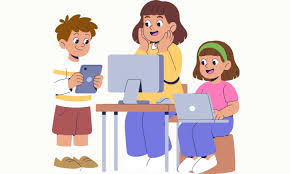
Students now use digital tools such as:
- Computers
- Coding platforms
- Video editing software
- Artificial intelligence tools
These tools help students become more creative and digitally skilled.
8. Encourages Innovation and New Ideas
Innovation inspires students to think about improving society.
Students learn that their ideas can create positive changes in areas such as:
- Science
- Business
- Health
- Environment
- Technology
This develops future inventors, entrepreneurs, and leaders.
9. Makes Learning More Practical
Creative education connects learning to real-world experiences.
Instead of only reading theories, students apply knowledge through projects, experiments, and practical activities. This improves understanding and memory retention.
10. Helps Students Adapt to Change
The world is changing rapidly because of technology and globalization.
Creativity and innovation help students become flexible thinkers who can adjust to new challenges, careers, and technologies in the future.