

How Industries Can Reduce Water Pollution

0

How Industries Can Reduce Water Pollution
By Okunlola Christiana Omolola


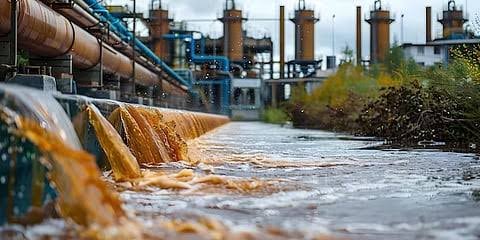
Industrial activities play a vital role in economic growth, but they can also contribute to water pollution if waste is not properly managed. Chemicals, heavy metals, untreated wastewater, and other pollutants released into rivers, lakes, and oceans can harm aquatic life, contaminate drinking water, and pose serious health risks. By adopting sustainable practices, industries can significantly reduce water pollution while protecting the environment and supporting long-term business success.


Key Ways Industries Can Reduce Water Pollution

1. Treat Industrial Wastewater

Industries should install and maintain effective wastewater treatment systems to remove harmful chemicals, oils, heavy metals, and other pollutants before discharging water into the environment. Proper treatment helps protect rivers, lakes, and groundwater.

2. Reduce Chemical Use

Using environmentally friendly and less toxic chemicals in manufacturing processes minimizes the risk of harmful substances entering water bodies. Proper storage and handling of chemicals also help prevent accidental spills.

3. Recycle and Reuse Water

Water recycling systems allow industries to treat and reuse water for cooling, cleaning, and production processes. This reduces freshwater consumption and decreases the volume of wastewater released into the environment.

4. Prevent Oil and Chemical Spills

Regular equipment inspections, proper maintenance, and emergency spill response plans help prevent leaks and spills that could contaminate nearby water sources.

5. Adopt Cleaner Production Technologies

Modern production methods are designed to use fewer raw materials, generate less waste, and consume less water. Investing in cleaner technologies improves efficiency while reducing environmental impact.

6. Proper Waste Disposal

Hazardous waste should never be dumped into rivers, drains, or open land. Industries should follow environmental regulations for collecting, treating, and disposing of solid and liquid waste safely.

7. Monitor Water Quality Regularly

Routine testing of wastewater and nearby water bodies helps industries identify pollution problems early and ensure compliance with environmental standards.

8. Train Employees on Environmental Practices

Educating workers about pollution prevention, waste management, and water conservation encourages responsible behavior and reduces the risk of environmental accidents.

9. Comply with Environmental Regulations

Following national and international environmental laws ensures that industries meet pollution control standards. Regular inspections and environmental audits help maintain compliance.

10. Partner with Communities and Environmental Organizations

Industries can work with local communities, government agencies, and environmental groups to support clean-up projects, watershed protection, and public awareness campaigns on water conservation.

Benefits of Reducing Water Pollution

  • Protects rivers, lakes, oceans, and groundwater.
  • Safeguards public health by ensuring cleaner water supplies.
  • Preserves aquatic ecosystems and biodiversity.
  • Reduces water treatment and operational costs through efficient water use.
  • Improves a company’s reputation and demonstrates environmental responsibility.
  • Supports sustainable economic growth and compliance with environmental laws.

Reducing water pollution is a shared responsibility, and industries have a significant role to play. By treating wastewater, adopting cleaner technologies, recycling water, managing waste responsibly, and complying with environmental regulations, businesses can minimize their environmental impact while improving operational efficiency. Sustainable industrial practices not only protect precious water resources but also contribute to healthier communities, stronger ecosystems, and a more sustainable future for all.

Leave a Reply

Your email address will not be published. Required fields are marked *

Translate »