
How Floods Affect Farmers and Food Production
How Floods Affect Farmers and Food Production
By Okunlola Christiana Omolola
Floods are among the most destructive natural disasters affecting agriculture worldwide. While water is essential for crop growth, excessive flooding can devastate farmlands, destroy crops, kill livestock, and disrupt food production. As climate change increases the frequency and intensity of extreme weather events, floods are becoming a greater threat to farmers and global food security.
Key Ways Floods Affect Farmers and Food Production
1. Destruction of Crops
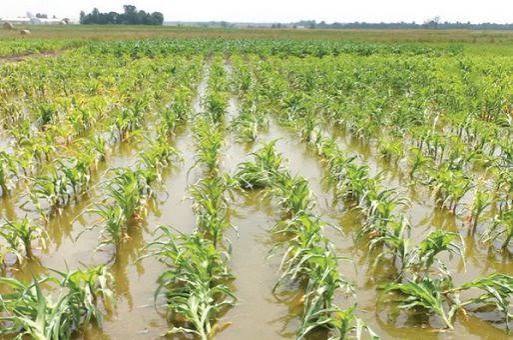
Floodwaters can completely submerge farms, destroying crops before they are ready for harvest. Prolonged flooding deprives plants of oxygen, causing them to rot and die, leading to significant financial losses for farmers.
2. Damage to Farmland
Strong floodwaters can wash away fertile topsoil, leaving behind sand, debris, and pollutants. This reduces soil fertility and makes farmland less productive for future planting seasons.
3. Loss of Livestock
Floods can drown farm animals or expose them to diseases and contaminated water. Farmers may also struggle to provide food, shelter, and veterinary care for surviving livestock.
4. Reduced Food Supply
When floods destroy crops and livestock, the amount of food available in markets decreases. Lower production can lead to shortages of staple foods such as rice, maize, vegetables, and fruits.
5. Higher Food Prices
Reduced agricultural production often causes food prices to rise. Families, especially those with low incomes, may find it more difficult to afford nutritious meals, increasing the risk of hunger and malnutrition.
6. Damage to Agricultural Infrastructure
Floods can destroy irrigation systems, storage facilities, roads, bridges, and farm equipment. Damaged infrastructure delays farming activities and makes it difficult to transport produce to markets.
7. Increased Spread of Crop Diseases and Pests
Wet conditions after flooding create an ideal environment for fungi, bacteria, and insect pests. These problems can further reduce crop yields and increase the cost of farm management.
8. Financial Hardship for Farmers
Flood-related losses reduce farmers’ incomes and may leave them unable to buy seeds, fertilizers, or equipment for the next planting season. Many small-scale farmers face long recovery periods after severe floods.
9. Disruption of Rural Livelihoods
Agriculture provides employment for millions of people. Flood damage can reduce job opportunities in farming, food processing, and transportation, affecting entire rural communities.
10. Threat to Food Security
Frequent flooding weakens national food production and increases dependence on food imports. This can make countries more vulnerable to global food price fluctuations and supply disruptions.
How the Impact Can Be Reduced
- Improve drainage systems in farming communities.
- Build flood-control structures such as dams and levees where appropriate.
- Encourage farmers to adopt climate-smart agricultural practices.
- Use flood-resistant crop varieties and diversify crops.
- Strengthen early warning systems to help farmers prepare for floods.
- Promote crop and livestock insurance to reduce financial losses.
- Restore forests and wetlands, which help absorb excess rainfall and reduce flooding.
Floods have far-reaching effects on farmers, agriculture, and food production. They destroy crops, damage farmland, kill livestock, and increase food prices, making it harder for communities to access affordable and nutritious food. By investing in better flood management, climate-resilient farming methods, and disaster preparedness, governments, communities, and farmers can reduce the impact of floods and protect food security for future generations