
The Importance of Reading Books in Everyday Life
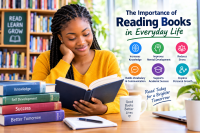
The Importance of Reading Books in Everyday Life
By: Okunlola Christiana Omolola
Introduction
Reading books is one of the most valuable habits a person can develop. Books provide knowledge, improve communication skills, stimulate creativity, and help people understand the world around them. Whether a person reads educational materials, novels, biographies, newspapers, or motivational books, reading can contribute greatly to personal growth and development.
In today’s world, where people spend much of their time on social media and digital entertainment, developing a regular reading habit is more important than ever. Reading allows individuals to learn new things, improve their thinking abilities, and make better decisions in everyday life.
Key Points on the Importance of Reading Books
1. Reading Increases Knowledge
Books provide valuable information about science, history, culture, technology, health, and many other subjects. Regular reading helps people learn new things and gain a better understanding of the world.
2. It Improves Mental Development
Reading encourages the brain to process information, understand ideas, and make connections. It can also strengthen concentration, memory, and critical-thinking skills when practised regularly.
3. It Reduces Stress
Reading an interesting book can provide a peaceful break from daily worries and responsibilities. It offers an opportunity to relax, enjoy a story, and take a break from screens and other distractions.
4. It Improves Vocabulary and Communication
Books introduce readers to new words, expressions, and sentence structures. This helps them express their thoughts more clearly, improve their writing, and communicate more confidently with others.
5. It Supports Academic Success
Students who read regularly can develop stronger reading comprehension, writing, and research skills. These abilities help them understand lessons, prepare for examinations, and perform better in their studies.
6. It Inspires Personal Growth
Self-development books and biographies share lessons about discipline, leadership, perseverance, and success. Readers can learn from other people’s experiences and apply useful lessons to their own lives.
How to Develop a Reading Habit
Developing a reading habit does not require spending hours with a book every day. A person can start by reading for 10 to 15 minutes daily and gradually increase the time. Choosing interesting books, setting realistic reading goals, visiting libraries, and reducing distractions can make reading more enjoyable.
Parents and teachers also have important roles to play by introducing children to books early, providing reading materials, and encouraging discussions about what they read. Schools and communities can promote reading through book clubs, reading competitions, and literacy programmes.
Conclusion
Reading books is an important habit that supports learning, personal development, creativity, and effective communication. It helps people gain knowledge, understand different perspectives, and make informed decisions. Although technology has changed how people access information, books remain valuable tools for education and lifelong learning.
Everyone should make reading a part of everyday life. Even a few minutes of reading each day can help build knowledge and develop skills that remain useful throughout life. A society that encourages reading creates more opportunities for informed citizens, creative thinkers, and future leaders.