

AI self-driving Cars
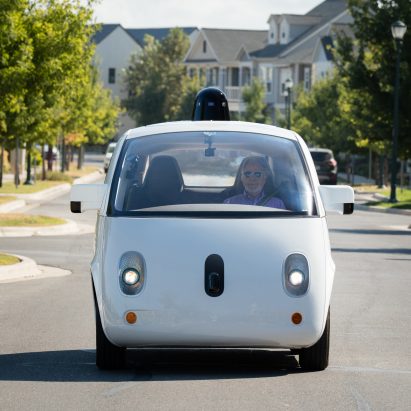
AI self-driving Cars
By Abbah Christy
It is anticipated that technology would permeate daily life and transcend ostentatious experiments. The systems, gadgets, and artificial intelligence that subtly power how people work, travel, and communicate will be the major developments, rather than just new apps or speedier devices.
self-driving cars are also anticipated to proliferate. More cities are likely to permit driverless taxis, delivery services, and sophisticated driver-assistance systems, even though completely autonomous vehicles may still be restricted in many areas. Automakers are progressively integrating AI directly into their automobiles, enabling them to manage parking, navigation, danger identification, and even some driving decisions. The automotive industry is also expected to use AI heavily behind the scenes, from factory robots to supply-chain planning
Self-driving cars are one of the most exciting innovations in transportation. These vehicles use sensors, cameras, and AI systems to drive with little or no human involvement.
One major advantage of self-driving cars is safety. Many road accidents happen because of human errors such as speeding, distraction, or drunk driving. Self-driving technology can reduce these mistakes and potentially save lives.
Another advantage is convenience. People can relax, work, or rest while the car drives itself. This could be especially helpful for elderly people, individuals with disabilities, or those who cannot drive.
Self-driving cars may also improve traffic flow. AI systems can communicate with other vehicles and traffic signals to reduce traffic jams and make travel more efficient.