

The Truth About Plastic Pollution
The Truth About Plastic Pollution
By Okunlola Christiana Omolola
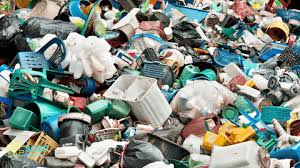
Plastic pollution has become one of the biggest environmental challenges facing the world today. From oceans and rivers to streets and farmland, plastic waste is everywhere. While plastic products make modern life easier because they are cheap, lightweight, and durable, their widespread use has created serious problems for the environment, wildlife, and human health. The truth about plastic pollution is that the convenience of plastic often comes with long-term consequences that many societies are only beginning to understand.
Plastic pollution has serious effects on the environment, human health, wildlife, and the economy. As plastic waste continues to increase around the world, its impact becomes more dangerous and widespread.
Effects of Plastic Pollution
1. Harm to Marine Life
One of the biggest effects of plastic pollution is the damage it causes to oceans and marine animals. Sea turtles, fish, whales, and seabirds often mistake plastic for food. Many animals choke, starve, or die after swallowing plastic materials.
Discarded fishing nets and plastic waste can also trap marine animals, preventing them from moving or feeding properly.
2. Environmental Damage
Plastic waste pollutes land, rivers, beaches, and oceans. Since most plastics do not decompose quickly, they remain in the environment for hundreds of years. Over time, plastics break into microplastics that contaminate soil and water.
Plastic pollution also reduces the beauty of natural environments and contributes to ecosystem destruction.
3. Flooding and Drainage Problems
In many urban areas, especially in developing countries like Nigeria, plastic waste blocks drainage systems and waterways. This can lead to severe flooding during heavy rainfall, damaging homes, roads, and businesses.
4. Health Risks to Humans
Microplastics have been found in water, seafood, food products, and even the air people breathe. Some plastics contain harmful chemicals that may affect human health.
Burning plastic waste releases toxic fumes that can cause respiratory problems and air pollution. Long-term exposure to polluted environments may increase health risks.
5. Threat to Wildlife
Plastic pollution affects animals on land as well as in water. Birds, livestock, and wild animals can accidentally consume plastic waste, leading to injury or death.
Habitats are also destroyed when plastic accumulates in forests, rivers, and agricultural land.
6. Economic Losses
Plastic pollution creates financial problems for governments and communities. Large amounts of money are spent on cleaning streets, beaches, drainage systems, and waterways.
Tourism industries may suffer when beaches and public spaces become polluted. Fishermen can also lose income when marine ecosystems are damaged.
7. Contribution to Climate Change
The production and disposal of plastic contribute to greenhouse gas emissions. Plastic is made mainly from fossil fuels, and manufacturing it releases carbon emissions into the atmosphere.
Burning plastic waste further increases air pollution and climate-related environmental damage.