
How Climate Change Is Affecting Global Water Resources
How Climate Change Is Affecting Global Water Resources
By Okunlola Christiana Omolola
Water is one of the Earth’s most valuable natural resources, supporting human life, agriculture, industry, and ecosystems. However, climate change is disrupting the global water cycle, making freshwater supplies less predictable and increasing the frequency of droughts, floods, and water shortages. As global temperatures continue to rise, communities around the world are facing growing challenges in accessing clean and reliable water.
Key Ways Climate Change Is Affecting Global Water Resources
1. More Frequent and Severe Droughts
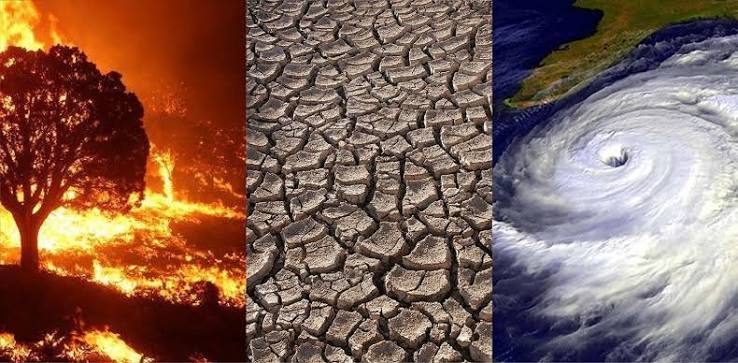
Rising temperatures increase evaporation from rivers, lakes, and soil, causing water sources to dry up more quickly. Many regions now experience longer and more intense droughts, reducing the amount of water available for drinking, farming, and industry.
2. Increased Flooding
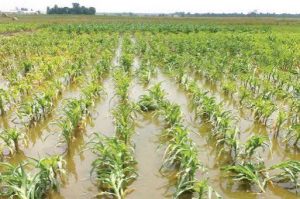
Warmer air holds more moisture, leading to heavier rainfall and stronger storms. While heavy rains may temporarily increase water levels, they often cause destructive flooding that contaminates water supplies, damages infrastructure, and threatens lives.
3. Melting Glaciers and Snowpack
Glaciers and mountain snowpacks act as natural freshwater reservoirs for millions of people. As temperatures rise, these ice reserves melt more rapidly, increasing river flows in the short term but reducing long-term water supplies once the ice disappears.
4. Rising Sea Levels and Saltwater Intrusion
Sea-level rise allows saltwater to enter freshwater rivers, lakes, and underground aquifers in coastal areas. This process, known as saltwater intrusion, reduces the availability of safe drinking water and affects agricultural land.
5. Declining Water Quality
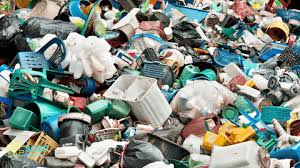
Higher temperatures encourage the growth of harmful algae and bacteria in lakes and reservoirs. Floods can also wash pollutants, chemicals, and waste into water sources, making treatment more difficult and increasing health risks.
6. Greater Pressure on Agriculture
Agriculture depends heavily on reliable water supplies. Changes in rainfall patterns and prolonged droughts make irrigation more challenging, reduce crop yields, and threaten food security in many parts of the world.
7. Stress on Ecosystems
Rivers, wetlands, and lakes provide habitats for countless plants and animals. Reduced water levels, warmer temperatures, and changing rainfall patterns disrupt these ecosystems, leading to biodiversity loss and the decline of aquatic species.
8. Growing Water Scarcity
Population growth and climate change together are increasing demand for limited freshwater resources. Many communities already face seasonal water shortages, and these challenges are expected to intensify without effective water management.
How We Can Protect Global Water Resources
- Conserve water through responsible household and industrial use.
- Improve irrigation systems to reduce water waste in agriculture.
- Protect forests, wetlands, and watersheds that naturally store and filter water.
- Reduce greenhouse gas emissions to slow climate change.
- Invest in rainwater harvesting, water recycling, and efficient water treatment technologies.
- Strengthen policies that promote sustainable water management and climate resilience.
- Educate communities about the importance of water conservation and environmental protection.
Climate change is transforming the world’s water resources in ways that affect health, food production, economies, and ecosystems. More frequent droughts, severe floods, declining water quality, and shrinking freshwater supplies highlight the urgent need for action. By reducing greenhouse gas emissions, protecting natural water systems, and using water more wisely, governments, businesses, and individuals can help ensure that future generations have access to clean and reliable water. Every effort to conserve and protect water today contributes to a more sustainable and resilient future.