
Eyiri-Eyi Obohia: A Fixed Cultural Festival Rooted in History
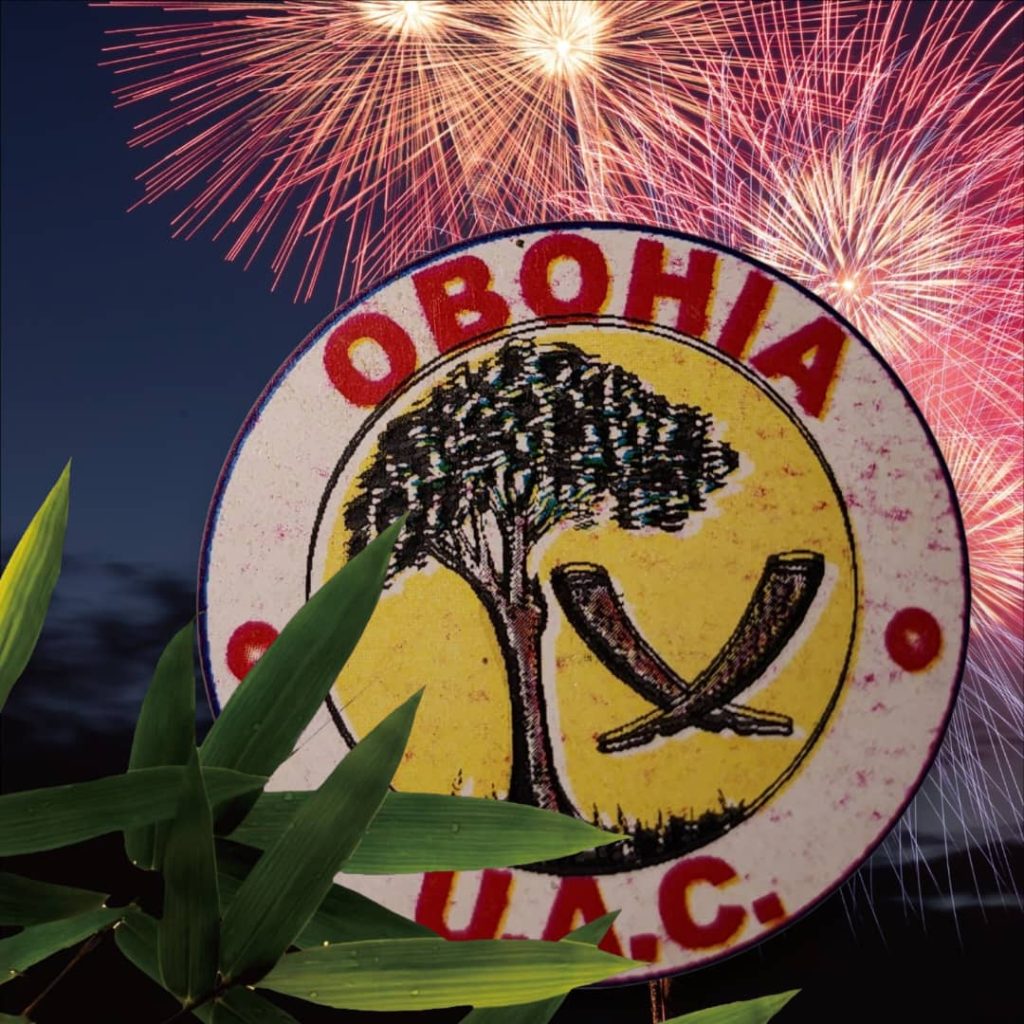
Eyiri-Eyi Obohia: A Fixed Cultural Festival Rooted in History
𝘉𝘺 𝘜𝘤𝘩𝘦𝘤𝘩’𝘶𝘬𝘸𝘶 𝘞𝘪𝘴𝘥𝘰𝘮 𝘖.
In the heart of Ekwereazu in Ahiazu Mbaise Local Government Area of Imo State lies the ancient clan of Obohia—a community steeped in rich cultural traditions, deep spirituality, and historical significance. Comprising four main communities—Umuihuocha, Elekenowasi, Amano, and Umuedo—Obohia is more than a geographical expression; it is a living archive of ancestral heritage, values, and customs. Among its most revered traditions is Eyiri Eyi Obohia, a celebration that has stood the test of time.
This article seeks to clarify, with historical and cultural accuracy, the meaning, timing, and significance of Eyiri Eyi Obohia—devoid of any reference to recent confusion or ongoing disputes.
𝗘𝘆𝗶𝗿𝗶 𝗘𝘆𝗶 𝗢𝗯𝗼𝗵𝗶𝗮: 𝗔𝗻 𝗔𝗻𝗰𝗲𝘀𝘁𝗿𝗮𝗹 𝗔𝗽𝗽𝗼𝗶𝗻𝘁𝗺𝗲𝗻𝘁
Eyiri Eyi Obohia is not merely a festival—it is a sacred appointment with time and ancestry. According to the late cultural historian 𝗔𝗺𝗮𝗺 𝗔. 𝗔𝗰𝗵𝗼𝗹𝗼𝗻𝘂, in his landmark work “𝘌𝘺𝘪𝘳𝘪 𝘌𝘺𝘪 𝘖𝘣𝘰𝘩𝘪𝘢 (𝘠𝘦𝘴𝘵𝘦𝘳𝘥𝘢𝘺, 𝘛𝘰𝘥𝘢𝘺 𝘢𝘯𝘥 𝘛𝘰𝘮𝘰𝘳𝘳𝘰𝘸),” the term Eyiri Eyi translates to “an appointment.”
“𝒊𝒏 𝒐𝒃𝒐𝒉𝒊𝒂 𝒊𝒕𝒔𝒆𝒍𝒇,” 𝒉𝒆 𝒘𝒓𝒐𝒕𝒆, “𝒆𝒚𝒊𝒓𝒊 𝒆𝒚𝒊 𝒎𝒆𝒂𝒏𝒔 𝒂 𝒄𝒆𝒍𝒆𝒃𝒓𝒂𝒕𝒊𝒐𝒏 𝒉𝒆𝒍𝒅 𝒘𝒊𝒕𝒉𝒊𝒏 𝒕𝒉𝒆 𝒇𝒊𝒓𝒔𝒕 𝒉𝒂𝒍𝒇 𝒐𝒇 𝒕𝒉𝒆 𝒎𝒐𝒏𝒕𝒉 𝒐𝒇 𝒂𝒖𝒈𝒖𝒔𝒕 𝒆𝒗𝒆𝒓𝒚 𝒚𝒆𝒂𝒓. I𝒏 𝒕𝒉𝒂𝒕 𝒔𝒆𝒏𝒔𝒆, 𝒊𝒕 𝒊𝒔 𝒏𝒐𝒕 𝒂 𝒎𝒐𝒃𝒊𝒍𝒆 𝒇𝒆𝒔𝒕.”
This definitive statement underscores the immovable nature of Eyiri Eyi. It is fixed, not by random choice, but by a sacred alignment with the eight-day Igbo market calendar, especially the 𝗡𝗸𝘄𝗼 𝗢𝗯𝗼𝗵𝗶𝗮 market day.
𝗔 𝗖𝗮𝗹𝗲𝗻𝗱𝗮𝗿 𝗠𝗮𝗿𝗸𝗶𝗻𝗴 𝗧𝗿𝗮𝗱𝗶𝘁𝗶𝗼𝗻 𝗮𝗻𝗱 𝗧𝗿𝗮𝗻𝘀𝗶𝘁𝗶𝗼𝗻
Eyiri Eyi Obohia functions as the traditional New Year celebration for the people of Obohia. It closes one cultural year and ushers in another. Its timing in early August is not arbitrary—it reflects an age-old structure where natural cycles, human activities, and spiritual observances intersect.
“𝑨𝒔 𝒂 𝒓𝒆𝒈𝒖𝒍𝒂𝒕𝒐𝒓 𝒐𝒇 𝒔𝒆𝒂𝒔𝒐𝒏𝒔,” 𝑨𝒄𝒉𝒐𝒍𝒐𝒏𝒖 𝒏𝒐𝒕𝒆𝒅, “𝑬𝒚𝒊𝒓𝒊 𝑬𝒚𝒊 𝑶𝒃𝒐𝒉𝒊𝒂 𝒑𝒓𝒆𝒄𝒆𝒅𝒆𝒔 𝒂𝒍𝒍 𝒐𝒕𝒉𝒆𝒓 𝒌𝒏𝒐𝒘𝒏 𝒄𝒖𝒍𝒕𝒖𝒓𝒂𝒍 𝒄𝒆𝒍𝒆𝒃𝒓𝒂𝒕𝒊𝒐𝒏𝒔 𝒊𝒏 𝑬𝒌𝒘𝒆𝒓𝒆𝒂𝒛𝒖, 𝑴𝒃𝒂𝒊𝒔𝒆, 𝒂𝒏𝒅 𝒆𝒗𝒆𝒏 𝒃𝒆𝒚𝒐𝒏𝒅.”
Festivals like Uyara, Agwu Ukwu, Opara Eke n’Opara Anyanwu, Ogba Egbe, Inu Nkwu, and Ala Nkwala all come after Eyiri Eyi, in a well-ordered cultural and spiritual progression.
𝗔 𝗦𝗲𝗮𝘀𝗼𝗻 𝗞𝗻𝗼𝘄𝗻 𝗕𝗲𝘆𝗼𝗻𝗱 𝗕𝗼𝗿𝗱𝗲𝗿𝘀
Beyond the bounds of Obohia, Eyiri Eyi is acknowledged by surrounding communities. The brief dry spell that occurs in August is popularly referred to as:
“𝑶𝒌𝒐𝒄𝒉𝒊 𝑬𝒚𝒊𝒓𝒊 𝑬𝒚𝒊 𝑶𝒃𝒐𝒉𝒊𝒂” – 𝒕𝒉𝒆 𝒅𝒓𝒚 𝒔𝒆𝒂𝒔𝒐𝒏 𝒐𝒇 𝑬𝒚𝒊𝒓𝒊 𝑬𝒚𝒊 𝑶𝒃𝒐𝒉𝒊𝒂.
This shows that the significance of the festival transcends community boundaries. The timing of Eyiri Eyi even serves as a climatic reference within at least a 24-kilometer radius, confirming its role as both a cultural compass and natural calendar.
𝗔𝗻𝗰𝗲𝘀𝘁𝗿𝗮𝗹 𝗨𝗻𝗶𝘁𝘆 𝗮𝗻𝗱 𝗖𝗼𝗹𝗹𝗲𝗰𝘁𝗶𝘃𝗲 𝗜𝗱𝗲𝗻𝘁𝗶𝘁𝘆
Historically, each of the four kindreds of Obohia celebrated Eyiri Eyi separately. However, with time, these individual celebrations were unified into a single, joint observance in reverence to Ezeala Ogugo, the supreme ancestral deity of Obohia.
This harmonization was not only practical but symbolic. It marked a higher level of unity, cultural consciousness, and ancestral respect, forging Eyiri Eyi into a collective covenant of the entire Obohia clan.
𝗔 𝗦𝗽𝗶𝗿𝗶𝘁𝘂𝗮𝗹 𝗥𝗲𝗻𝗲𝘄𝗮𝗹 𝗳𝗼𝗿 𝘁𝗵𝗲 𝗖𝗼𝗺𝗺𝘂𝗻𝗶𝘁𝘆
Eyiri Eyi is not just festive—it is spiritual. It is a sacred moment when elders lead the community in prayers, thanksgiving, and renewal. The past is left behind, and the community steps into a new season with faith, hope, and ancestral blessings.
𝑴𝒂𝒚 𝒕𝒉𝒆 𝒆𝒗𝒊𝒍𝒔 𝒐𝒇 𝒕𝒉𝒆 𝒑𝒂𝒔𝒕 𝒚𝒆𝒂𝒓 𝒏𝒆𝒗𝒆𝒓 𝒓𝒆𝒕𝒖𝒓𝒏.
𝑴𝒂𝒚 𝒈𝒐𝒐𝒅 𝒉𝒆𝒂𝒍𝒕𝒉, 𝒑𝒆𝒂𝒄𝒆, 𝒂𝒏𝒅 𝒑𝒓𝒐𝒈𝒓𝒆𝒔𝒔 𝒗𝒊𝒔𝒊𝒕 𝒆𝒗𝒆𝒓𝒚 𝒉𝒐𝒎𝒆.
𝑰𝒉𝒂! 𝑰𝒉𝒂!! 𝑰𝒉𝒂 𝒐𝒐!!!
(𝑨𝒎𝒆𝒏! 𝑨𝒎𝒆𝒏!! 𝑨𝒎𝒆𝒆𝒆𝒏!!!)
𝑶𝒉 𝑮𝒓𝒆𝒂𝒕 𝑬𝒗𝒆𝒏𝒕! 𝑮𝒓𝒆𝒂𝒕 𝑬𝒗𝒆𝒏𝒕! 𝑻𝒉𝒂𝒏𝒌𝒔 𝒃𝒆 𝒕𝒐 𝑮𝒐𝒅!
𝗔 𝗧𝗿𝗮𝗱𝗶𝘁𝗶𝗼𝗻 𝗔𝗻𝗰𝗵𝗼𝗿𝗲𝗱 𝗶𝗻 𝗧𝗿𝘂𝘁𝗵
In a world of shifting values and fluid calendars, Eyiri Eyi Obohia remains a steadfast cultural compass. Its fixed timing in the first half of August each year, as clearly documented by Acholonu and upheld by Obohia elders, is not subject to personal interpretations or political expedience.
It is a sacred heritage—a declaration of identity, unity, and historical truth.
📝 𝗖𝗼𝗺𝗿. 𝗨𝗰𝗵𝗲𝗰𝗵’𝘂𝗸𝘄𝘂 𝗪𝗶𝘀𝗱𝗼𝗺 𝗢.
𝘊𝘶𝘭𝘵𝘶𝘳𝘦 𝘈𝘥𝘷𝘰𝘤𝘢𝘵𝘦 | 𝘊𝘰𝘮𝘮𝘶𝘯𝘪𝘵𝘺 𝘏𝘪𝘴𝘵𝘰𝘳𝘪𝘢𝘯