

The Benefits of Recycling and Waste Reduction
The Benefits of Recycling and Waste Reduction
By Okunlola Christiana Omolola
In today’s world, rapid population growth, urbanization, and increased consumption have led to a significant rise in waste generation. Managing this waste effectively has become one of the most pressing environmental challenges. Recycling and waste reduction are two essential strategies that help conserve natural resources, protect the environment, and promote sustainable development. By adopting these practices, individuals, businesses, and communities can contribute to a cleaner and healthier planet.
What Is Recycling?
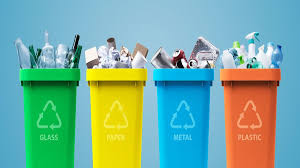
Recycling is the process of collecting, processing, and transforming used materials such as paper, plastic, glass, and metal into new products. Instead of being discarded as waste, these materials are given a second life, reducing the need for raw materials and minimizing environmental damage.
What Is Waste Reduction?
Waste reduction involves minimizing the amount of waste produced in the first place. This can be achieved by reusing products, avoiding unnecessary packaging, purchasing durable goods, and making conscious consumption choices. Waste reduction is often considered the most effective waste management strategy because it prevents waste before it is created.
Key Benefits of Recycling and Waste Reduction
1. Conserves Natural Resources
Recycling helps preserve valuable natural resources such as timber, water, minerals, and fossil fuels. For example, recycling paper reduces the need to cut down trees, while recycling metals decreases the need for mining activities. Conserving these resources ensures they remain available for future generations.
2. Reduces Environmental Pollution
Waste that is improperly disposed of can pollute the air, water, and soil. Recycling reduces the volume of waste sent to landfills and incinerators, helping to minimize pollution and protect ecosystems. Waste reduction also decreases litter, creating cleaner communities and healthier environments.
3. Saves Energy
Manufacturing products from recycled materials often requires less energy than producing them from raw materials. For instance, recycling aluminum uses significantly less energy than extracting and processing new aluminum from bauxite ore. Energy savings help reduce greenhouse gas emissions and combat climate change.
4. Reduces Greenhouse Gas Emissions
Landfills produce methane, a powerful greenhouse gas that contributes to global warming. By reducing waste and recycling materials, fewer items end up in landfills, leading to lower methane emissions. Additionally, the energy savings achieved through recycling further reduce carbon emissions.
5. Creates Jobs and Supports the Economy
The recycling industry generates employment opportunities in collection, processing, manufacturing, and transportation. Recycling programs support local economies by creating jobs and stimulating markets for recycled materials. As demand for sustainable products grows, the recycling sector continues to expand.
6. Protects Wildlife and Natural Habitats
Waste pollution, particularly plastic waste, poses a serious threat to wildlife. Animals can become entangled in litter or mistake waste for food. Recycling and reducing waste help prevent pollution from entering rivers, oceans, and forests, thereby protecting wildlife and preserving natural habitats.
7. Extends Landfill Lifespan
Landfills have limited capacity, and building new ones can be costly and environmentally damaging. Recycling and waste reduction decrease the amount of waste sent to landfills, helping existing facilities last longer and reducing the need for additional disposal sites.
8. Encourages Responsible Consumption
Practicing waste reduction promotes mindful consumption habits. People become more aware of their purchasing decisions and are encouraged to choose reusable, durable, and environmentally friendly products. This shift in behavior supports a more sustainable lifestyle.
Practical Ways to Reduce Waste
- Use reusable shopping bags, bottles, and containers.
- Avoid single-use plastics whenever possible.
- Repair and reuse items instead of discarding them.
- Buy products with minimal packaging.
- Compost organic waste such as food scraps and garden waste.
- Donate unwanted items to charities or community organizations.
- Separate recyclable materials from general waste.
Challenges to Recycling
Despite its benefits, recycling faces challenges such as inadequate infrastructure, contamination of recyclable materials, and low public awareness. Governments, businesses, and communities must work together to improve recycling systems, educate the public, and encourage sustainable waste management practices.