

Understanding Artificial Intelligence and Machine Learning
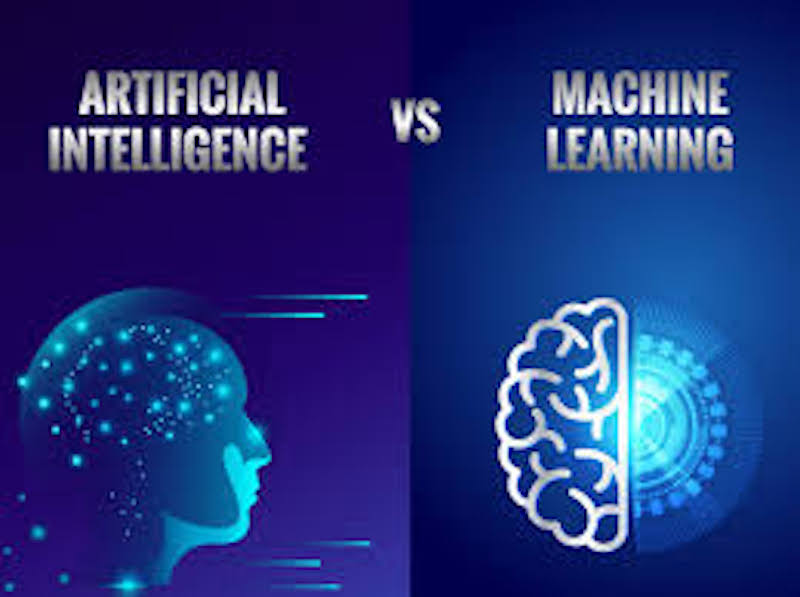
Artificial intelligence and Machine Learning
By Abbah christy
Artificial Intelligence (AI) and Machine Learning (ML) are interconnected yet distinct ideas. Machine learning is a branch of AI that concentrates on empowering systems to learn from data and enhance their performance on specific tasks without direct programming. Conversely, AI is a broader field that encompasses the concept of developing machines capable of emulating human intelligence, including reasoning, learning, and problem-solving. This video clarifies the distinction between AI and machine learning through various examples.
Here’s a more in-depth analysis:
- Artificial Intelligence (AI):
AI represents the comprehensive idea of creating machines that can carry out tasks usually demanding human intelligence. This can encompass activities such as understanding natural language, recognizing images, or making choices.
- Machine Learning (ML):
ML is a particular method of realizing AI. It entails training algorithms with data so they can identify patterns and make predictions or decisions without needing explicit programming for every situation.
Key Differences:
- Scope: Artificial Intelligence is a wide-ranging field, whereas Machine Learning is a specific branch that concentrates on acquiring knowledge from data.
- Approach: The goal of AI is to develop systems capable of demonstrating human-like intelligence, while ML is concerned with allowing systems to learn from data and enhance their performance on particular tasks.
- Examples:
o AI: An instance of AI would be a chatbot that understands and replies to human language.
o ML: A spam filter that learns to recognize spam emails based on previous examples serves as an illustration of ML.
In summary, all machine learning falls under the umbrella of AI, but not every AI application involves machine learning. Other methods, such as expert systems or rule-based systems, can also be employed to achieve AI.