
Future of Technology in Education
Future of Technology in Education
By Okunlola Christiana Omolola
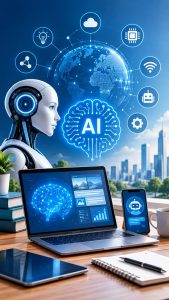
Technology is rapidly transforming every aspect of human life, and education is no exception. From digital classrooms to online learning platforms, the integration of technology into education has changed how students learn and how teachers teach. The future of technology in education promises even more innovative tools, such as artificial intelligence, virtual reality, and personalized learning systems, which aim to make education more accessible, engaging, and effective for learners around the world.
1. Improved Access to Information
Students can instantly access vast amounts of information through the internet, online libraries, and educational platforms. This makes learning faster and more convenient compared to relying only on textbooks.
2. Interactive and Engaging Learning
Digital tools like videos, simulations, and educational apps make lessons more interesting. Interactive content helps students understand complex topics better and keeps them motivated.
3. Personalized Learning
Technology allows students to learn at their own pace. Adaptive learning systems adjust the difficulty level based on a student’s progress, helping both fast and slow learners succeed.
4. Better Communication and Collaboration
Online platforms (like video calls, discussion forums, and shared documents) allow students and teachers to communicate easily. Group projects can be done even when participants are in different locations.
5. Development of Digital Skills
Using technology in education helps students develop essential skills such as computer literacy, research skills, and online communication—important for modern careers.
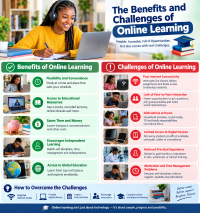
6. Access to Online Learning (E-learning)
Students can attend classes remotely through online courses and virtual classrooms. This is especially helpful for people in remote areas or those who cannot attend traditional schools.
7. Cost and Time Efficiency
Digital resources can reduce the need for printed materials and commuting. Recorded lectures also allow students to revisit lessons anytime.
Technology makes education more flexible, inclusive, and effective. When used properly, it enhances both teaching and learning experiences, preparing students for a digital future.